

How Cold Weather Drives Spiders Indoors
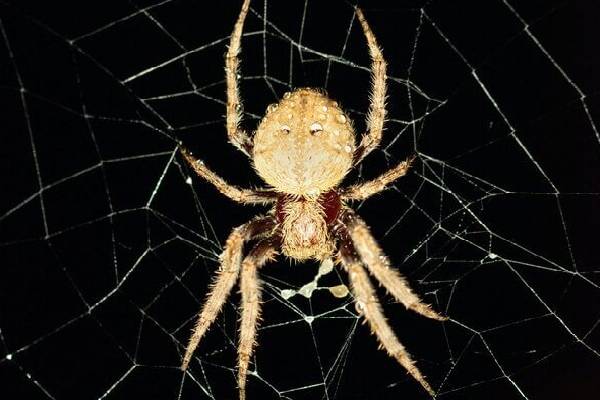
As temperatures drop, spider sightings inside homes often increase. This change can feel sudden, especially in properties that had little visible activity during warmer months. While spiders are present year-round, cold weather alters their movement, shelter needs, and food availability, driving them indoors where conditions are more stable.
From an expert perspective, winter spider activity is less about infestation and more about survival patterns. Understanding why spiders move inside, where they settle, and how long they remain active helps explain why spider control requires more than short-term solutions during colder seasons.
Why Spiders Seek Shelter as Temperatures Drop
Spiders are highly sensitive to environmental changes. When outdoor temperatures decline, prey availability drops and exposure risks increase. Indoor spaces offer warmth, protection, and access to insects that also migrate inside during cold weather.
Key factors that drive spiders indoors include:
- Reduced outdoor insect populations during winter
- Warmer indoor temperatures near walls and foundations
- Protected spaces that shield spiders from wind and moisture
- Consistent lighting that attracts insect prey
Spiders do not enter homes randomly. They follow food sources and favorable conditions. As insects move indoors for the same reasons, spiders naturally follow. This chain reaction explains why winter spider sightings often coincide with other pest activity.
Common Indoor Areas Where Spiders Settle in Winter
Once inside, spiders look for quiet, undisturbed areas where they can conserve energy and wait for prey. Winter activity is often concentrated in locations that see minimal traffic.
Common indoor spider zones include:
- Basements, crawl spaces, and utility rooms
- Corners of ceilings, garages, and storage areas
- Closets with limited light and airflow
- Behind furniture and along baseboards
These areas provide stable temperatures and minimal disturbance. Because spiders are largely nocturnal and inactive during colder periods, activity may go unnoticed until webs or sightings increase. Professional spider control focuses on identifying these harborage zones rather than reacting to isolated sightings.
How Entry Points and Clutter Increase Winter Activity
Spiders typically enter homes through existing openings rather than creating new access points. Cracks, gaps, and structural transitions provide easy entry, especially as buildings contract slightly during colder months.
Conditions that increase indoor spider activity include:
- Gaps around windows, doors, and utility lines
- Foundation cracks and siding transitions
- Excess indoor clutter that provides shelter
- Storage areas with cardboard or unused items
Clutter plays a significant role by offering hiding spots that protect spiders from disruption. This connection between indoor conditions and pest presence is explored further in this resource on clutter and pest activity, which explains why winter organization supports long-term prevention.
Without addressing access points and interior conditions, spider activity often continues throughout winter, even if visible webs are removed.
Why Winter Spider Activity Persists Over Time
Many people assume spiders die off or leave once winter sets in. In reality, most species remain indoors until conditions outside improve. Heated homes allow spiders to remain active at a low level, conserving energy while waiting for prey.
Winter spider persistence is influenced by:
- Steady indoor temperatures that prevent dormancy
- Ongoing insect activity near lights and heat sources
- Undisturbed nesting areas inside wall voids
- Reduced cleaning in storage and low-use spaces
Because spiders are predators, their presence often indicates underlying insect activity. Addressing spiders alone without considering the broader environment limits effectiveness. This is why spider control strategies focus on both the spiders and the conditions that support their food sources.
Why Professional Strategies Offer Better Long-Term Control
Effective spider control during winter is not about eliminating every spider. It is about reducing conditions that allow spiders to thrive indoors and preventing repeated seasonal activity. Professional approaches emphasize inspection, exclusion, and targeted treatment rather than reactive measures.

Long-term strategies typically involve:
- Identifying entry points and sealing vulnerabilities
- Treating harborage areas where spiders settle
- Reducing indoor insect populations that attract predators
- Monitoring seasonal trends and adjusting methods
Year-round planning plays a critical role in keeping spider activity low. Homes with consistent pest management experience fewer seasonal spikes because conditions are addressed before cold weather arrives. The value of this approach is explained further in this overview of year-round pest planning, which highlights why continuity matters for lasting results.
Professional spider control aligns prevention with seasonal behavior. Instead of responding each winter, homeowners benefit from strategies that limit entry, reduce shelter, and disrupt food sources throughout the year.
A Smarter Way to Handle Winter Spider Activity
Seeing more spiders during cold weather is a sign that conditions are drawing them indoors. Addressing the issue early prevents prolonged activity and recurring seasonal frustration. For expert evaluation and reliable spider control solutions, contact EcoLine Pest Control and take control before winter activity settles in.
