Reviews

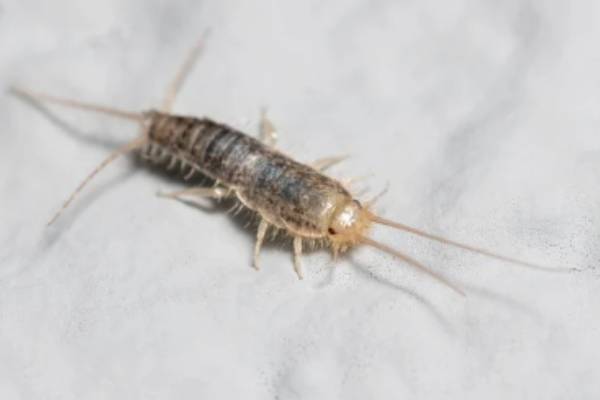
Silverfish are among the most overlooked household pests because they prefer to stay out of sight. Unlike insects that gather in obvious areas, silverfish thrive in dark, quiet, and humid spaces where activity can go unnoticed for long periods. By the time homeowners see one scurrying across a floor or wall, an established population is often already present.
From an expert perspective, identifying early warning signs is critical for effective silverfish control. These pests feed on materials commonly found in homes and can cause gradual damage that is easy to dismiss as normal wear. Understanding where silverfish hide and how they operate helps prevent prolonged infestations and unnecessary property damage.

Subtle Damage to Household Items and Surfaces
One of the earliest indicators of silverfish activity is minor damage to materials they feed on. Silverfish consume starches, proteins, and sugars, which are found in many everyday items. Because damage occurs slowly, it is often mistaken for aging or handling issues.
Common signs of silverfish feeding include:
- Small irregular holes in paper, books, or cardboard
- Yellowish stains or surface etching on wallpaper
- Thinning edges on photographs or stored documents
- Damage to fabric made from cotton, linen, or silk
This type of damage typically appears in storage areas, closets, or basements where items are left undisturbed. Over time, repeated feeding can affect valuable belongings and stored materials. Professional evaluation helps determine whether silverfish are the cause and how widespread activity may be.
Moisture and Humidity Issues That Support Activity
Silverfish depend heavily on moisture to survive. Homes with elevated humidity or damp areas provide ideal conditions, allowing populations to grow quietly. These pests often remain hidden near water sources and migrate outward as numbers increase.
High-risk moisture areas include:
- Bathrooms with limited ventilation
- Basements or crawl spaces with damp conditions
- Kitchens near sinks, dishwashers, or plumbing lines
- Laundry rooms with condensation or leaks
Even minor moisture issues can support silverfish activity. Condensation behind walls or under flooring is especially problematic because it is not easily visible. Without addressing moisture conditions, silverfish control becomes more difficult, as populations continue to thrive in protected environments.
Hidden Harborage Areas Where Silverfish Thrive
Silverfish prefer locations that offer darkness, warmth, and minimal disturbance. These conditions are common in areas of the home that receive little foot traffic or are used primarily for storage.
Typical hiding spots include:
Clutter significantly increases available harborage by providing shelter and food sources. Cardboard boxes, paper stacks, and unused items create ideal nesting zones. The relationship between clutter and pest activity is explained further in this resource onclutter and pest activity, which highlights why organization plays a role in long-term prevention.
Because these pests are nocturnal, activity often goes unnoticed unless lights are turned on suddenly at night.
Sightings That Suggest a Larger Problem
Seeing a single silverfish does not always mean a full infestation, but repeated sightings are a strong indicator of an underlying issue. Silverfish reproduce steadily when conditions are favorable, allowing populations to expand without obvious warning signs.Indicators that suggest more than isolated activity include:
Indicators that suggest more than isolated activity include:
- Multiple sightings in different rooms
- Silverfish appearing during daylight hours
- Activity near bedrooms or living areas
- Increased sightings after humidity rises
Silverfish are fast-moving and elusive, which can make them seem like occasional intruders. In reality, frequent sightings often indicate that populations are spreading beyond initial hiding areas. Professional assessment helps determine the scope of activity and prevents further expansion.
Why Silverfish Problems Persist Without Ongoing Prevention
Silverfish infestations rarely resolve on their own. Even if visible activity decreases temporarily, underlying conditions often remain unchanged. Moisture, shelter, and food sources continue to support survival, allowing populations to rebound.
Long-term silverfish control relies on:
- Identifying and correcting moisture issues
- Reducing harborage through environmental adjustments
- Monitoring activity across seasons
- Applying targeted treatment where needed
Year-round strategies are especially important because silverfish remain active indoors regardless of outdoor temperatures. Homes that rely solely on short-term fixes often experience recurring problems. The benefits of consistent prevention are outlined further in this overview ofyear-round pest planning, which explains why ongoing attention delivers better results.
Professional approaches focus on the conditions that allow silverfish to thrive, not just eliminating visible insects. This ensures that control efforts are effective and lasting rather than temporary.
Don’t Let a Hidden Problem Grow
Silverfish damage often starts quietly and worsens over time. Early identification and professional evaluation prevent prolonged infestation and protect household belongings. For reliable silverfish control and long-term protection, contactEcoLine Pest Control and address the issue before it spreads.