Reviews

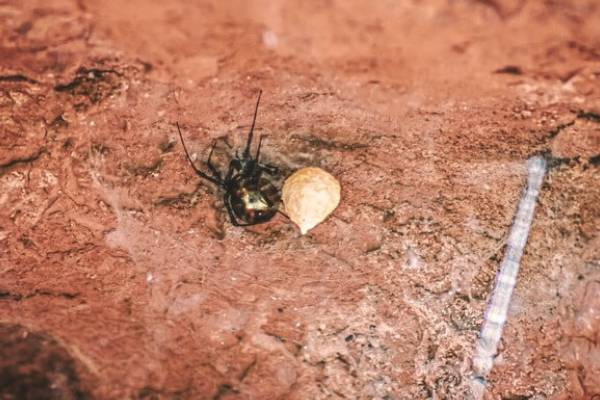
Spring marks a turning point for pest activity, and spiders are no exception. As temperatures rise, insects become more active, creating an ideal food source that attracts spiders into residential and commercial spaces. This seasonal shift makes spring spider control an important part of maintaining a balanced indoor and outdoor environment.
Timing plays a critical role in how effective spider control can be. Acting too late often means dealing with established populations, while early action can prevent spiders from settling in the first place. Understanding how spring conditions influence spider behavior helps explain why a proactive approach delivers better results.

How Spring Triggers Spider Activity
Spiders do not suddenly appear in large numbers without reason. Their activity is closely tied to environmental changes that occur during the spring season. Warmer temperatures and increased insect movement create the conditions spiders rely on to thrive.
- Rising Temperatures increase spider movement and feeding
- Insect Activity provides a steady food source
- Moisture Levels support insect populations that attract spiders
- Outdoor Growth creates more hiding and nesting areas
Because spiders follow their food supply, their presence often signals a broader pest issue. Ants, flies, and other insects commonly handled in pest control services can indirectly contribute to spider infestations. Addressing spider activity effectively means looking at the full picture, not just the spiders themselves.
Why Early Timing Improves Control Results
Spring spider control is most effective when it begins before populations become established. Early intervention reduces the chance of spiders building webs, laying eggs, and expanding their presence throughout the property.
- Preventive Action stops spiders before they settle indoors
- Reduced Webbing limits visible signs of infestation
- Lower Population makes treatment more manageable
- Early Detection helps identify contributing pest activity
Once spiders begin reproducing, control becomes more complex. Egg sacs can lead to rapid population growth, making late-stage treatment more involved. Starting early allows for a more controlled and efficient approach.
This is why timing is not just a convenience. It is a key factor in how well the overall strategy performs throughout the season.
Common Areas Where Spiders Settle in Spring
Spiders look for locations that provide shelter, access to food, and minimal disturbance. In spring, these conditions are often found in specific areas around the property.
- Exterior Corners and eaves where webs can remain undisturbed
- Garages and storage areas with low activity
- Basements and crawl spaces with higher humidity
- Windows and door frames where insects gather
These areas act as transition zones between outdoor and indoor environments. Spiders often begin outside and gradually move inward as conditions change.
Managing these zones is an important part of spring spider control. By focusing on entry points and high-risk areas, treatments can be applied more effectively and with greater precision.
How Seasonal Pest Activity Influences Spider Presence
Spiders rarely exist in isolation. Their presence is directly connected to the availability of prey. During spring, the increase in insect populations creates a chain reaction that supports spider activity.
Ants, flies, and other insects become more active as temperatures rise. These pests are commonly addressed in professional pest control services, and their activity often determines where spiders will settle.
Preparing outdoor areas can help reduce this cycle. Taking steps to limit insect activity makes the environment less attractive to spiders. This approach is part of a broader strategy that connects different pest control efforts.
For example, improving outdoor conditions through spring garden pest prep can reduce the number of insects that attract spiders in the first place.
By addressing the root cause, spider activity becomes easier to manage and less likely to escalate.
Why Professional Timing Makes a Difference
Effective spider control requires more than reacting to visible webs. It involves understanding pest patterns, identifying contributing factors, and applying treatments at the right time.
- Strategic Timing aligns treatments with peak activity periods
- Targeted Application focuses on high-risk areas
- Integrated Approach addresses both spiders and their food sources
- Ongoing Monitoring ensures consistent results
Professional pest control services are designed to adjust with seasonal changes. Instead of relying on a single treatment, they provide a structured plan that evolves as conditions shift.
This level of planning helps prevent recurring issues and supports long-term control. It also ensures that treatments are applied efficiently, reducing unnecessary exposure while maintaining effectiveness.
Understanding the value of timing and expertise can make a noticeable difference in results. This is why many property owners rely on expert pest solutions to maintain consistent control throughout the season.
Stay ahead of spider activity this season
Spring spider control is most effective when it begins early and follows a structured approach. By addressing the conditions that attract spiders and applying treatments at the right time, it is possible to reduce activity before it becomes a larger concern.For those looking to maintain a more controlled and comfortable environment, professional support can provide a more reliable solution. Contact EcoLine Pest Control to get started.