Reviews

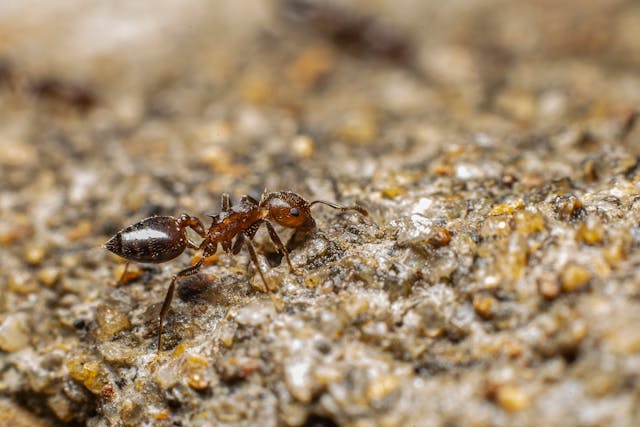
Winter is often associated with a slowdown in pest problems, but ant activity does not always follow that expectation. While outdoor movement decreases, many ant species remain active inside structures where environmental conditions stay stable. This hidden activity explains why ants are sometimes spotted during colder months, even when outdoor temperatures appear unfavorable.
Ant colonies are highly organized and resilient. Seasonal changes influence where ants operate rather than eliminating them entirely. When winter arrives, colonies shift deeper into protected environments, relying on insulation, moisture, and nearby food sources. Because this activity happens quietly and out of sight, winter ant activity is frequently underestimated until it becomes persistent.
Understanding why ants remain active during winter helps clarify why professional attention is often needed even when pest pressure seems lower on the surface.
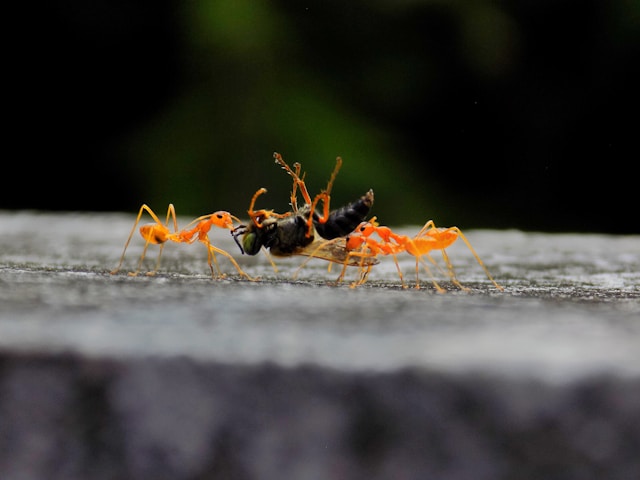
Why ants remain active during winter
Cold temperatures trigger strategic adjustments within ant colonies. Instead of remaining exposed outdoors, ants retreat into environments that support survival with minimal energy use.
- Colonies relocate to insulated spaces inside walls, foundations, and subfloors.
- Metabolic rates slow, but worker ants continue limited foraging
- Heat from plumbing lines, appliances, and interior framing creates stable microclimates
- Moisture from condensation and interior humidity support colony needs
- Queens and brood remain protected deep within nesting zones
Winter ant activity is rarely random. Sightings often occur near kitchens, bathrooms, or basements where warmth and moisture overlap. Even brief appearances can indicate a well-established colony nearby. Because colonies remain intact during winter, activity can quietly persist until conditions outside improve.
How ants gain access to an indoor shelter
Ants rely on small structural vulnerabilities to gain entry. Winter conditions increase pressure on colonies to secure dependable shelter, making even minor openings significant access points.
- Cracks along foundations, slabs, and expansion joints
- Gaps around utility penetrations and plumbing lines
- Wall voids near heating systems or water sources
- Openings created by settling, moisture changes, or aging materials
Once inside, ants establish defined trails that connect nesting zones to food and water. These routes are often hidden behind walls, under flooring, or inside cabinetry. Because ants avoid open spaces when possible, activity may appear suddenly without obvious warning.
Effective winter management depends on identifying how ants are entering and where colonies are nesting, not just where individual ants are seen.
Indoor conditions that support winter ant activity
Indoor environments offer consistency that outdoor spaces cannot provide during winter. Ant colonies depend on stable conditions to protect queens and maintain survival until warmer seasons return.
- Consistent warmth from insulation, interior walls, and heating systems
- Access to food residues in kitchens, pantries, and storage areas
- Moisture from plumbing leaks, drains, and condensation zones
Cluttered or undisturbed spaces further support ant activity by creating protected nesting opportunities. Storage rooms, basements, and utility areas often provide ideal shelter with minimal disruption. The relationship between indoor environments and pest behavior is closely linked, including how organization affects infestations. Insights on clutter and infestations explain why ants often remain active in areas that receive less attention during winter.
When ants encounter warmth, moisture, and food in close proximity, colonies can remain stable for months without drawing notice.
Why winter ant problems often continue unnoticed
Winter ant activity frequently persists because both environmental and behavioral factors allow it to do so. Reduced outdoor pest sightings create a false sense of security, while interior activity continues below the surface.
- Colonies remain shielded from extreme cold indoors
- Reduced foot traffic in storage or basement areas limits disruption
- Food access remains consistent throughout the winter months
- Nesting zones stay insulated and undisturbed for extended periods
Ant trails may appear briefly and disappear, leading to the assumption that the problem resolved on its own. In reality, colonies often remain intact and ready to expand once spring conditions return. This explains why ant issues frequently surge as temperatures rise.
Professional evaluation during winter focuses on identifying nesting locations, access points, and contributing environmental conditions. Addressing activity during this phase limits population growth and reduces the severity of future infestations.
Preparing for effective winter ant management
Winter offers a valuable opportunity to evaluate conditions that support ant activity before seasonal pressure increases. Preparation improves the effectiveness of professional treatment by allowing a clear assessment and targeted action.
- Identifying access points before the spring activity increases
- Evaluating moisture sources that support winter survival
- Locating concealed nesting zones within walls and subfloors
- Reducing conditions that allow colonies to remain undisturbed
Proper preparation ensures assessments and treatments are efficient and thorough. Understanding treatment preparation steps helps clarify why readiness plays an important role when addressing winter ant concerns.
Addressing ant activity during winter disrupts colony stability and reduces the likelihood of recurring problems. Rather than waiting for visible outbreaks, early evaluation supports long-term control and prevents seasonal escalation.
When ants stay active indoors
We understand why ant activity continues during winter and how colonies adapt to indoor environments. For informed protection and effective pest management, contactEcoLine Pest Control so we can help safeguard your home throughout every season.