 Reviews

How Silverfish Damage Paper And Fabrics At Home
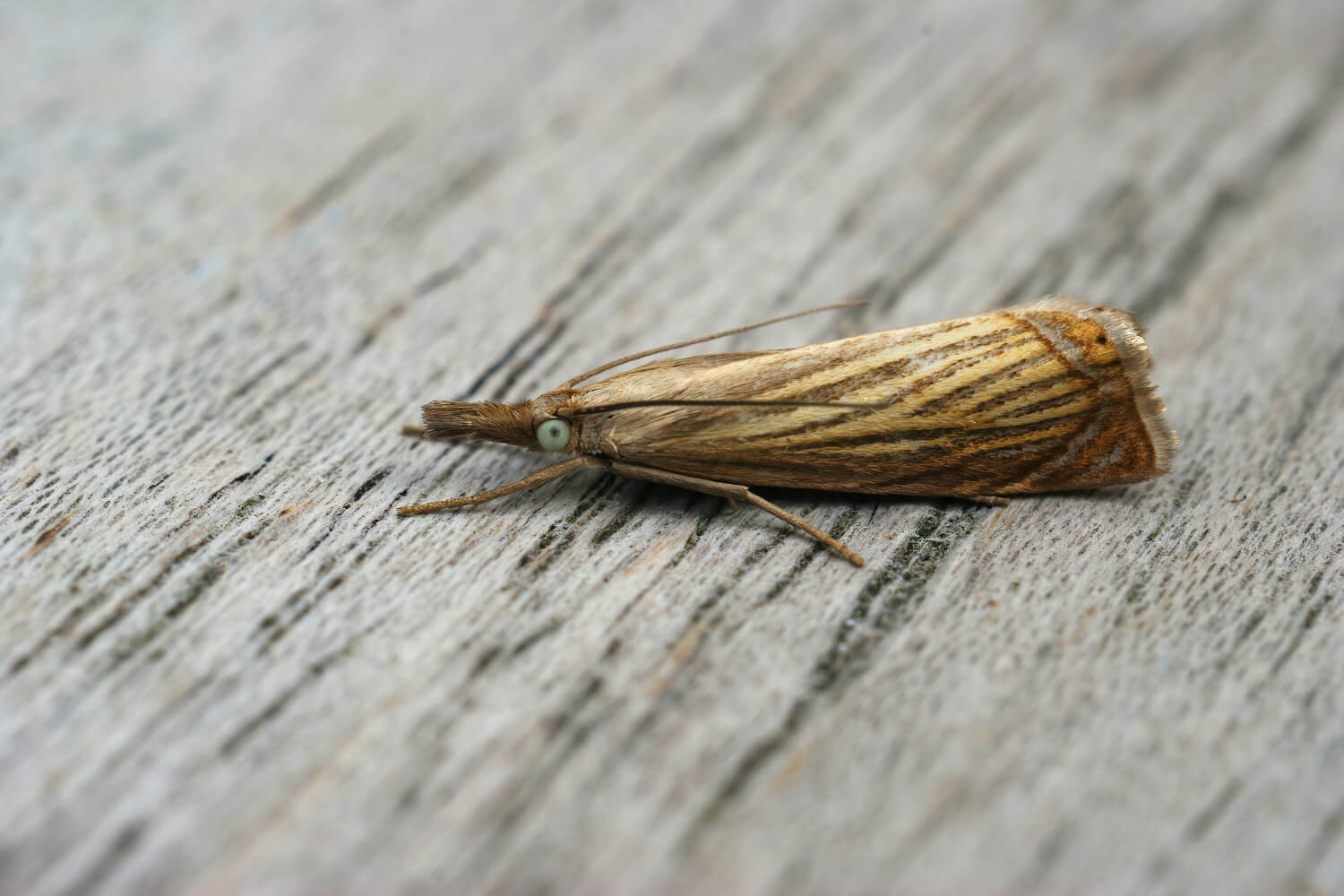
Silverfish are small, wingless insects that often remain unnoticed until homeowners discover irregular holes, surface scraping, yellow stains, or damaged belongings. Their feeding habits make them especially troublesome around paper, books, wallpaper, stored documents, clothing, and certain household fabrics. Because they prefer dark, humid, undisturbed areas, activity may continue for months before visible evidence appears.
Understanding silverfish damage begins with recognizing what attracts these insects. Silverfish feed on substances containing starches, sugars, and proteins. These materials are surprisingly common throughout a home, from book bindings and wallpaper paste to natural fibers and stored textiles. When favorable moisture and shelter exist nearby, household belongings can become convenient food sources.
Why Paper Products Are Especially Vulnerable
Paper itself can provide food, but silverfish may also be drawn to starch-based adhesives, glues, coatings, and sizing materials used in books, cardboard, photographs, and wallpaper. Their mouthparts scrape away thin layers rather than creating the cleaner holes associated with some other pests. Over time, repeated feeding can leave cherished or important materials permanently marked.
Common signs involving paper products include:
- Irregular holes or shallow scraped areas across pages and covers
- Yellowish staining, scales, or small droppings near stored materials
- Damaged book bindings where glue or paste provides an added food source
- Wallpaper with scraped surfaces or loosened areas near humid wall cavities
- Cardboard boxes showing feeding marks in quiet storage locations
Damage can be easy to overlook when affected items remain stacked in closets, basements, utility spaces, or storage rooms. Silverfish are mostly active at night, so homeowners may see the consequences long before they see the insects themselves.
This hidden behavior also helps explain why pests resist simple fixes. Addressing only the insects that happen to appear in open areas may leave sheltered populations and favorable conditions untouched.
How Fabrics And Clothing Become Food Sources
Silverfish do not consume every textile equally. They are more likely to feed where fabrics contain natural fibers, food residue, body oils, starch, adhesives, or other organic substances. Cotton, linen, rayon, and some silk items may be affected, particularly when stored for long periods in humid, low-traffic areas.
Fabric-related silverfish damage may appear as:
- Small irregular holes that seem scattered rather than following a clear pattern
- Surface grazing that leaves thin or roughened patches on delicate material
- Feeding around stained areas where food particles or residues remain
- Damage to stored linens, seasonal clothing, or rarely disturbed fabric items
- Activity around closets, laundry areas, boxes, and other moisture-prone storage spaces
The insects may also feed on materials surrounding the fabric rather than the textile alone. Paper labels, cardboard storage boxes, starch treatments, and adhesives can all increase the attractiveness of a storage area.
Humidity is another important factor. Silverfish thrive where moisture remains consistently elevated, particularly around bathrooms, laundry rooms, basements, utility spaces, kitchens, and poorly ventilated storage areas. A damaged garment may therefore be one clue to a broader environmental condition supporting ongoing activity.
Why Silverfish Damage Can Continue Unnoticed
A silverfish problem is rarely defined by one insect running across a bathroom floor. These pests squeeze into cracks, wall voids, gaps around trim, shelving, stored boxes, and other concealed spaces. Their flattened bodies let them remain close to feeding materials while avoiding everyday household activity.
Conditions that can allow populations to persist include:
- Hidden moisture from condensation, plumbing issues, or consistently humid rooms
- Numerous cracks, voids, and storage areas that provide protected daytime shelter
- Paper products, cardboard, books, or fabrics left undisturbed for long periods
- Food sources spread across several rooms rather than concentrated in one location
- Limited visibility into wall cavities, storage zones, and other protected spaces
This is why visible damage deserves more attention than simply replacing an affected book or garment. The feeding mark identifies what silverfish reached, but not necessarily where they are sheltering or how widely activity has spread.
A thorough assessment considers moisture, access points, feeding materials, and activity patterns together. That broader approach is one reason professional pest expertise can be valuable when silverfish keep appearing. Proper identification and targeted control help avoid treating symptoms while overlooking the conditions that allow the infestation to continue.
Silverfish do not usually destroy household materials overnight. Instead, their impact tends to accumulate slowly. A few scraped pages may become several damaged books, while a small hole in stored fabric may be followed by additional affected items nearby. Because the progression is gradual, early signs should not be dismissed simply because the damage initially seems minor.
Protecting paper and fabrics therefore depends on understanding the pest pressure behind the visible evidence. When silverfish damage appears repeatedly or in multiple areas, determining where insects are hiding and what is sustaining them becomes essential for effective, long-term control. Careful inspection can also reveal whether moisture, storage habits, or structural gaps are creating the conditions that allow silverfish activity to return.
Protect What Silverfish Target
If you are finding damaged books, paper, wallpaper, clothing, or stored fabrics, contact EcoLine Pest Control for professional silverfish control and a careful assessment of the conditions contributing to activity in your home.
