 Reviews

How Storage Areas Become Hiding Spots for Crawling Pests
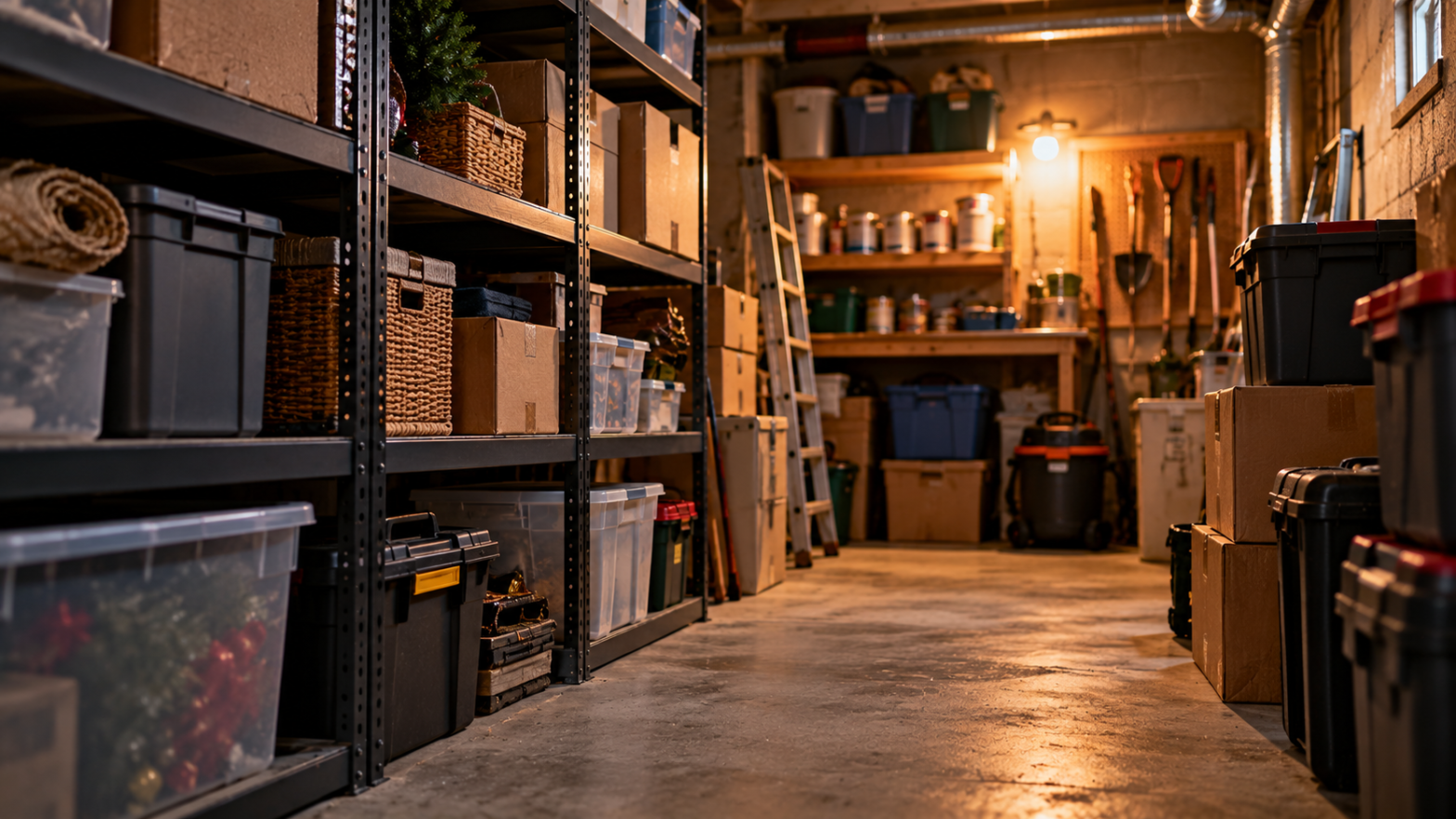
Storage areas can create ideal hiding conditions for crawling pests because they often stay quiet, dark, and undisturbed for long periods. Boxes, shelving, stacked belongings, paper goods, and seasonal items can create narrow spaces where insects remain concealed. When moisture or food residue is also present, garages, basements, closets, and utility rooms can become even more attractive.
Our team approaches pest control by looking at the conditions that allow activity to continue. Crawling pests such as silverfish, beetles, crickets, ants, and spiders may use storage areas differently, but they often benefit from the same basic factors: shelter, limited disturbance, access points, and nearby moisture. Finding those factors helps us determine whether the activity is isolated or likely to keep returning.
Clutter Creates Shelter and Makes Activity Harder to See
Stored belongings can make pest activity difficult to detect because insects have more places to hide and travel without being noticed. Cardboard boxes, paper goods, folded fabrics, and items stored directly against walls may create low-light spaces that crawling pests use for shelter.
Our guide to choosing pest professionals explains why inspection quality matters when the source is not obvious. A trained technician looks beyond the visible insect and evaluates structural gaps, moisture, clutter, and other conditions that support repeat activity.
Storage-area concerns may include:
- Stacked cardboard boxes that create narrow hiding spaces
- Paper goods that can attract moisture-sensitive pests such as silverfish
- Items pressed against walls that block inspection access
- Cluttered shelving that makes droppings, webbing, or insect debris harder to notice
- Stored fabrics or seasonal items that remain undisturbed for months
- Floor-level gaps where crawling pests can move behind belongings
Reducing visual obstruction can make evidence easier to spot, but a professional inspection is still important when activity keeps returning or appears in several storage areas.
Moisture and Entry Gaps Can Turn Storage Rooms Into Pest Zones
Shelter alone is not always enough to keep pests active. Moisture around plumbing, floor drains, foundations, or poorly ventilated areas can make storage rooms more favorable to silverfish, crickets, beetles, and other crawling insects. Spiders may then appear where insect prey is available.
Our technicians also check entry points because garages, basements, and utility spaces often connect directly with the exterior. Door thresholds, utility penetrations, foundation cracks, vents, and structural seams can give pests a route into storage areas where they remain protected.
Important conditions to review include:
- Damp corners near plumbing or foundation walls
- Condensation around pipes or utility equipment
- Gaps beneath garage doors or exterior doors
- Cracks around utility lines, vents, and wall penetrations
- Stored items that trap moisture against floors or walls
- Spider webs that suggest ongoing insect activity nearby
A one-time surface treatment may reduce visible pests without addressing the moisture or access point that allowed them to settle. Long-term pest control works better when those supporting conditions are identified and included in the plan.
Professional Inspection Helps Target Hidden Activity More Precisely
Storage areas can contain old evidence as well as current pest activity, which makes interpretation important. Shed skins, webbing, dead insects, droppings, or damaged materials may remain after pests have moved. Our team compares the condition and location of evidence with moisture, entry points, and current sightings before recommending treatment.
The value of a professional pest inspection is that it examines interior and exterior areas together. Storage rooms, kitchens, bathrooms, basements, attics, crawl spaces, foundations, and entry points can all be part of the same pest pattern.
A focused inspection may include:
- Checking baseboards, shelving, and floor edges for active movement
- Looking behind stored items for webbing, insects, or shed skins
- Identifying moisture that supports silverfish, crickets, or beetles
- Reviewing cracks and utility openings connected to outdoor activity
- Comparing storage-area signs with activity elsewhere in the property
- Planning follow-up when pests continue appearing after treatment
Our team can then use targeted placement in high-activity zones, exterior crack-and-crevice treatment, preventive barrier reinforcement, and scheduled follow-up where appropriate. This approach avoids treating every storage area the same way and focuses attention on the locations that inspection confirms are contributing to the problem.
Storage spaces also change over time. Boxes are moved, seasonal items are rotated, moisture conditions shift, and door seals or structural gaps can wear down. A room that was low-risk earlier in the year may become more attractive later if humidity rises or new access points develop.
That is why long-term prevention depends on monitoring rather than assuming one treatment permanently resolves the issue. Professional pest control can track whether activity is declining, moving to another area, or returning through the same structural weakness. By combining inspection, targeted treatment, moisture awareness, access-point review, and follow-up, hidden storage-area infestations can be managed more efficiently and with less guesswork.
Make Storage Areas Less Inviting to Hidden Pests
If crawling pests are appearing in garages, basements, closets, or other storage areas, contact EcoLine Pest Control for professional pest control focused on inspection, targeted treatment, entry-point evaluation, and long-term prevention.
