 Reviews


How to Reduce Spider Activity in Basements and Garages As Temperatures Drop
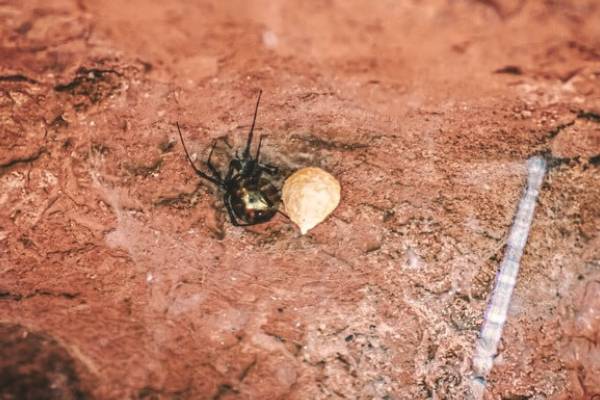
A garage corner that stayed empty all summer may suddenly collect webs as autumn nights turn colder. In the basement, an unfamiliar spider near stored boxes can raise similar questions. It is tempting to assume that every spider has moved inside to escape freezing weather, but many species already inhabit protected spaces throughout the year.
What matters is why a particular basement or garage continues to support activity. Shelter, insect prey, accessible openings, and limited disturbance often play a larger role than temperature by itself. Our technicians consider these factors together, helping Utah homeowners distinguish occasional wandering spiders from recurring activity that needs attention.

Identify the Conditions That Make Hidden Corners Appealing
Basements and garages offer many microenvironments. A garage may be cool near its door but relatively warm beside a utility room. A basement might have a damp corner supporting insects while nearby storage stays completely dry. Spiders respond differently to those conditions depending on the species and how they hunt.
Inspection priorities commonly include:
- Undisturbed storage: Boxes, shelves, and equipment provide sheltered locations away from routine foot traffic.
- Insect prey: Flies, crickets, and other insects can sustain spiders in protected areas.
- Garage door edges: Worn weatherstripping may allow both spiders and prey insects to move inside.
- Moisture sources: Damp corners or plumbing issues can indirectly support spider activity by attracting insects.
- Utility openings: Gaps around pipes and cable lines may connect interior areas with exterior routes.
Seeing one web does not prove an infestation. Some spiders establish a single hunting site, while others roam without constructing conspicuous webs. An inspection helps identify the type of spider and whether repeated sightings have a shared source.
Our discussion of cold-weather spider movement examines how seasonal shifts affect shelter and prey availability. The practical lesson is to inspect the surrounding environment rather than assume every spider appeared because of one cold night.
Reduce Insect Pressure Along With Spider Activity
Spiders are predators, and their presence can signal that small insects are available nearby. Removing a web improves appearances, but the same corner may become active again if insects continue entering or living there. A professional review connects spider locations with possible prey sources and entry routes.
Relevant observations include:
- Outdoor lighting: Lights by garage doors can attract flying insects near building openings.
- Screen condition: Damaged screens and loose frames may permit smaller pests indoors.
- Storage surfaces: Closely packed belongings can conceal prey insects and established webs.
- Foundation gaps: Cracks and joints may provide access to lower-level rooms.
- Recurring webs: Repeated webbing in one location suggests the conditions still support activity.
Our team identifies the insects present rather than treating all movement as an identical pest problem. Depending on the findings, treatment may focus on a specific harborage, accessible perimeter area, or another confirmed source. Appropriate product placement and label precautions are part of that assessment.
Not all spiders are medically significant, and many contribute to controlling insects outdoors. The objective is not to remove spiders from the entire surrounding environment. It is to reduce unwanted activity in occupied spaces while avoiding unnecessary applications.
Where dampness or damaged building materials contribute to the problem, corrective work may be needed alongside pest services. Targeted pest treatment does not fix a leak or repair a deteriorated door seal.
Make Seasonal Monitoring Part of Garage and Basement Care
Spider sightings often fluctuate. Colder temperatures may change insect availability and movement, while heated or sheltered indoor spaces continue offering suitable conditions. Long-term progress becomes easier to assess when the same locations are checked over time.
A professional prevention plan can include:
- Species identification: Recognizing the spider helps determine which observations matter most.
- Access assessment: Inspecting door sweeps, vents, and penetrations can reveal potential entry routes.
- Prey evaluation: Reviewing nearby insect activity helps target conditions supporting spiders.
- Focused treatment: Applications are selected for confirmed issues and appropriate locations.
- Follow-up records: Comparing later webbing and sightings with earlier findings helps track change.
Our article on spider activity causes explains why webs, insects, clutter, and structural access should be considered together. This broader view is particularly useful in garages and basements, where several contributing factors may overlap.
A homeowner may notice fewer spiders after the first service, but that observation alone does not prove that every access point has been addressed. New activity near another door or shelf may identify a different route or an overlooked prey source. Inspection-led follow-up makes those distinctions clearer.
Seasonal spider management works best when it suits the building instead of relying on a universal winter checklist. A dry finished basement, an unfinished storage room, and a frequently opened garage each need different priorities. With careful evaluation, treatment and maintenance can focus on the conditions actually driving repeated sightings.
Make Lower-Level Spaces Comfortable Again
If webs and spiders keep returning to your basement or garage, contact EcoLine Pest Control for a professional inspection. Our team can evaluate activity, identify contributing conditions, and recommend practical control and follow-up.
