 Reviews


Why Cockroaches Can Remain Active in Heated Homes During Winter
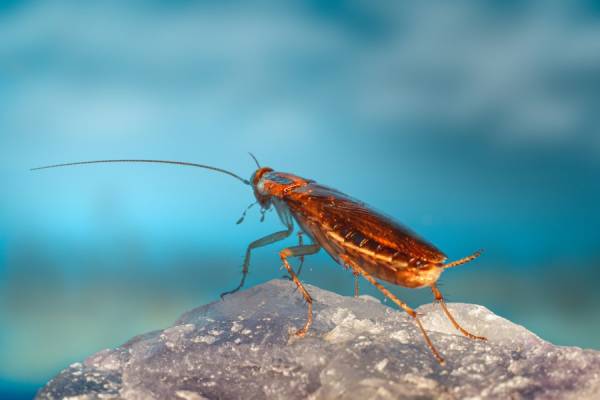
Snow collects outside, but a cockroach darts beneath the dishwasher when the kitchen light switches on. For Northern Utah homeowners, that contrast can be surprising. Cold weather slows outdoor insects, yet indoor cockroaches have access to something different: steady heat, water, food, and sheltered cracks. Winter does not automatically interrupt its life cycle.
We look beyond the season when investigating cockroach activity. A roach seen near a sink may be using a gap behind the cabinets, while another could have arrived through a utility opening. Identifying the species and finding fresh evidence helps us decide whether the problem is an indoor infestation or an occasional intruder.

Heated Kitchens Create Small Shelters That Weather Cannot Reach
Thermostats measure the temperature people experience, not every pocket of warmth behind household equipment. Refrigerator motors give off heat, dishwashers cycle through warm temperatures, and plumbing areas may stay damp. German cockroaches can live and reproduce indoors where those resources are consistently available, even when the lawn is frozen.
We pay particular attention to these locations:
- Refrigerator compartments: Warm motor areas and nearby floor gaps can provide concealed resting spots.
- Dishwasher connections: Moisture from a slow leak may support insects behind cabinets or panels.
- Under-sink cabinets: Pipe openings, condensation, and stored items can create protected routes.
- Pantry corners: Crumbs and poorly sealed food packages offer feeding opportunities after dark.
- Bathroom fixtures: Water and sheltered crevices may support activity away from the kitchen.
Not every cockroach species behaves identically. German cockroaches are associated with indoor breeding, whereas some larger species may enter from damp exterior areas or drains. The distinction matters when determining whether treatment should concentrate on interior harborages or possible entry routes.
Our article about winter pest considerations explains why cold-season cockroach work often focuses behind appliances and inside protected cracks. Cleaning a countertop can help, but it cannot reach every sheltered place where insects spend the day.
Winter Warning Signs Often Appear After Dark
A single roach sighting deserves identification, though it does not prove how large a population may be. Cockroaches typically avoid disturbance, so the activity homeowners notice can represent only a fraction of what is happening in nearby gaps. Evidence is particularly useful when cold weather has reduced other insect sightings.
During an inspection, we look for:
- Small droppings: Dark, pepper-like deposits near hinges or appliance edges may indicate repeat movement.
- Shed skins: Cast coverings in sheltered areas can suggest that immature cockroaches have developed nearby.
- Egg cases: Species-specific cases may provide clues about reproduction and identification.
- Repeated sightings: Insects emerging from the same cabinet or floor gap warrant closer investigation.
- Moisture problems: Drips, damp surfaces, and condensation may help explain why activity persists.
These clues need context. Ordinary debris can resemble droppings, and old evidence may remain after previous treatment. We assess freshness, distribution, and species characteristics rather than assuming that every dark speck belongs to a cockroach.
Avoid moving heavy appliances alone or reaching into electrical compartments to investigate. If a dishwasher connection leaks, a plumber or appliance specialist may need to correct it. Pest treatment and household repairs address different parts of the problem, and one cannot reliably replace the other.
Targeted Control Works Better Than Waiting for Spring
Cold air outdoors will not necessarily reach a breeding population inside a heated wall void. Likewise, spraying every visible surface may miss insects tucked away behind trim and appliances. We use inspections to locate activity, consider food and water sources, and select controls appropriate to the species and property.
A practical winter control plan may include:
- Species confirmation: Identify the cockroach before choosing bait, monitoring, or other treatment methods.
- Harborage inspection: Review accessible cracks, appliance areas, cabinets, and nearby moisture sources.
- Targeted application: Place appropriate products where justified, following label and occupant-safety requirements.
- Sanitation guidance: Recommend manageable steps to reduce exposed food and waste overnight.
- Follow-up monitoring: Compare fresh sightings with earlier evidence to evaluate progress and remaining concerns.
Our discussion of year-round pest plans notes that seasonal cycles can change pest pressure without eliminating indoor risks. That principle applies to cockroaches living near reliable heat and water: a quiet week is encouraging, but it does not automatically confirm that concealed activity has ended.
For families with children or pets, placement and access restrictions deserve special attention. We explain preparation and reentry instructions for any treatment used, rather than treating products as universally harmless. Correcting leaks and securing food storage can complement the service, while monitoring provides a clearer view of results.
Winter is a good time to act on evidence instead of assuming freezing temperatures will solve an indoor problem. Identifying the source now can also help prevent a concealed population from becoming more noticeable when household activity changes.
Keep Your Home Comfortable, Not Cockroach-Friendly
If cockroaches keep appearing in your kitchen or bathroom, contact EcoLine Pest Control for a thorough professional inspection. We can identify the species, investigate likely hiding places, and recommend practical treatment and monitoring for your Northern Utah home.
