5.0 Star Rating  Reviews

5.0 Star Rating Reviews
Call/Text Today! (801) 738-7000

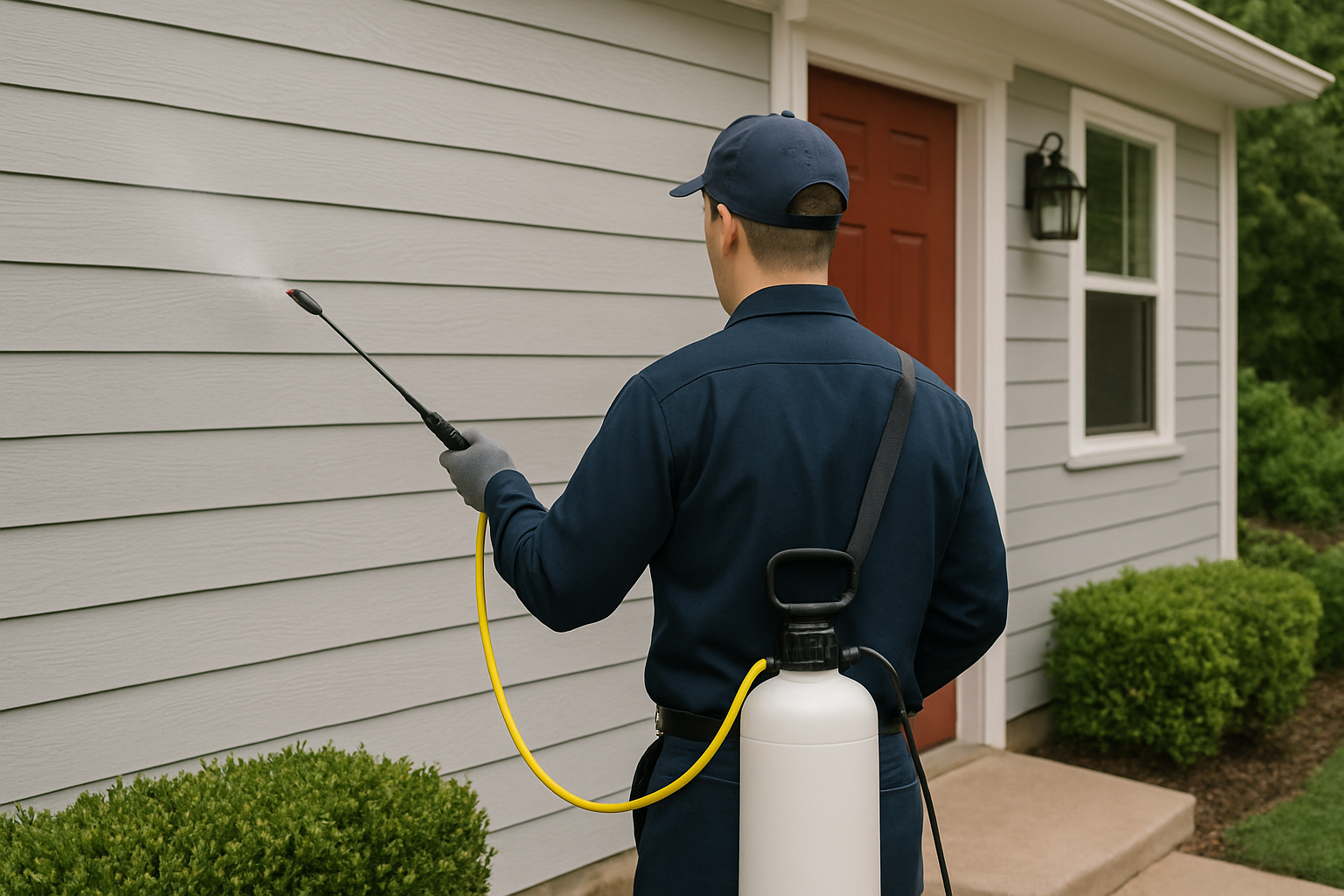
Some pest issues start at the edge of a property, not inside it. That’s why our coverage mindset goes past the front door. Our pest experts study nearby conditions, moisture zones, structure gaps, and common travel paths before we act. Looking at the full environment helps us stop problems closer to the source instead of just reacting to what shows up indoors. It’s a wider lens that leads to longer-lasting results.
Our coverage network is built for steady response and dependable scheduling, not rushed visits. For years, we have kept routes organized, so follow-ups stay on track and treatments stay consistent. Every stop gets the same eco-conscious products, careful application, and clear communication. No shortcuts, no guesswork, just repeatable, field-tested service that holds up over time and across many property types.
The online casino scene is competitive, yet clubhouse casino app has clearly carved out its place over recent months. Players have a right to data disclosure and correction at any time in accordance with the GDPR. Innovative game show wheel formats draw many new players to the live section. Achievements and trophies reward special gaming experiences and milestones. The support section contains detailed explanations of KYC and verification procedures. A personalised recommendation bar suggests fitting games based on previous behaviour. New players are welcomed with a comprehensive welcome package spread across several deposits. Both portrait and landscape orientations can be used without any issue. In comparison with established competitors, the casino proves consistently competitive.


Ant control work tracks movement patterns from outdoor origin points to indoor food sources. Treatment interrupts those paths, treats nesting pockets, and helps slow, manage, and stop colony growth effectively.
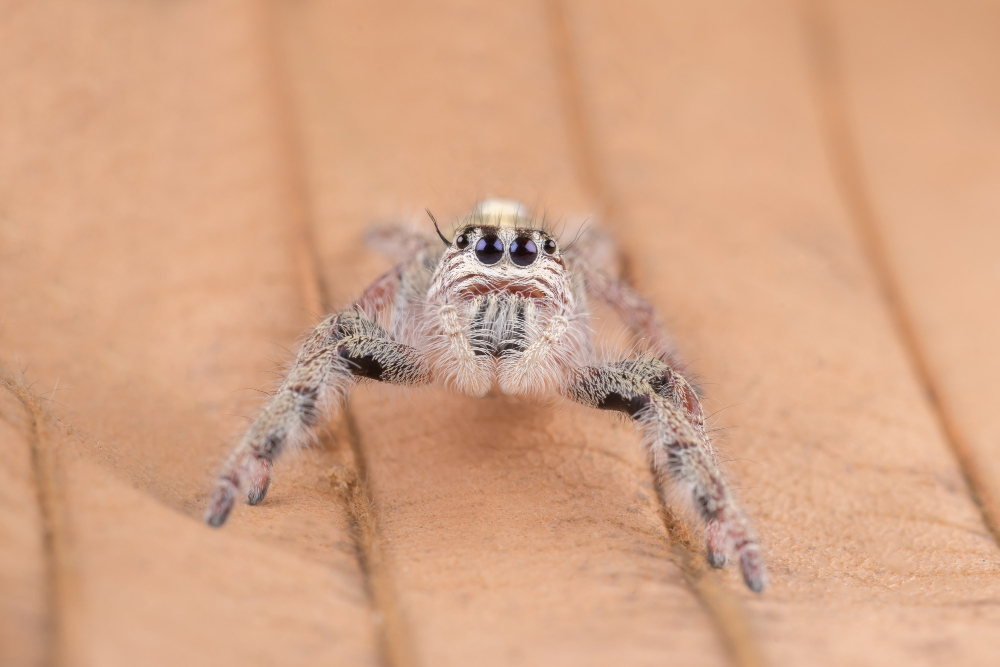
Crawling pest coverage includes foundation lines, utility gaps, and interior seams. Applications are placed with precision to reduce hidden insect traffic across floors, wall edges, and other common problem areas.
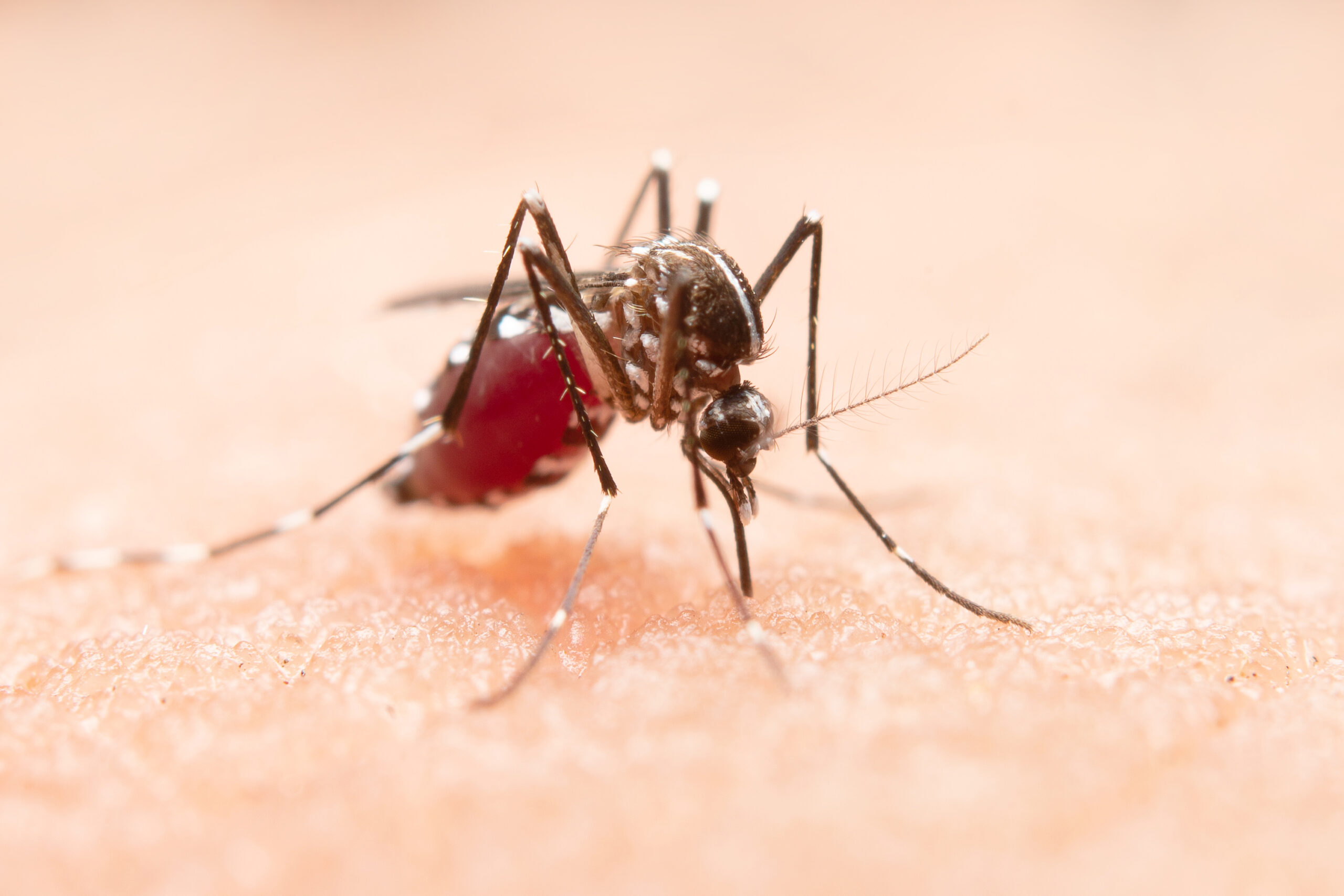
Mosquito reduction plans include recurring yard treatments throughout peak season. Focus stays on shaded resting spots, damp areas, and breeding sites where mosquito life cycles continue and expand rapidly outdoors.

Mouse control combines detection tools, careful monitoring, and controlled bait placement. Follow-up visits measure activity change and adjust placement for more effective long-term pest removal and prevention indoors.

Rat control includes structure-side protection, route disruption, and perimeter checks. Service evaluates burrow zones, feeding behavior, and access points so control points match real rodent movement patterns accurately.
Silverfish love moisture, so we go straight to the spots that stay humid. Storage rooms, laundry areas, and utility spaces are common starting points. We treat the cracks, tight seams, and wall voids where they hide and keep moving, even when you cannot see them.
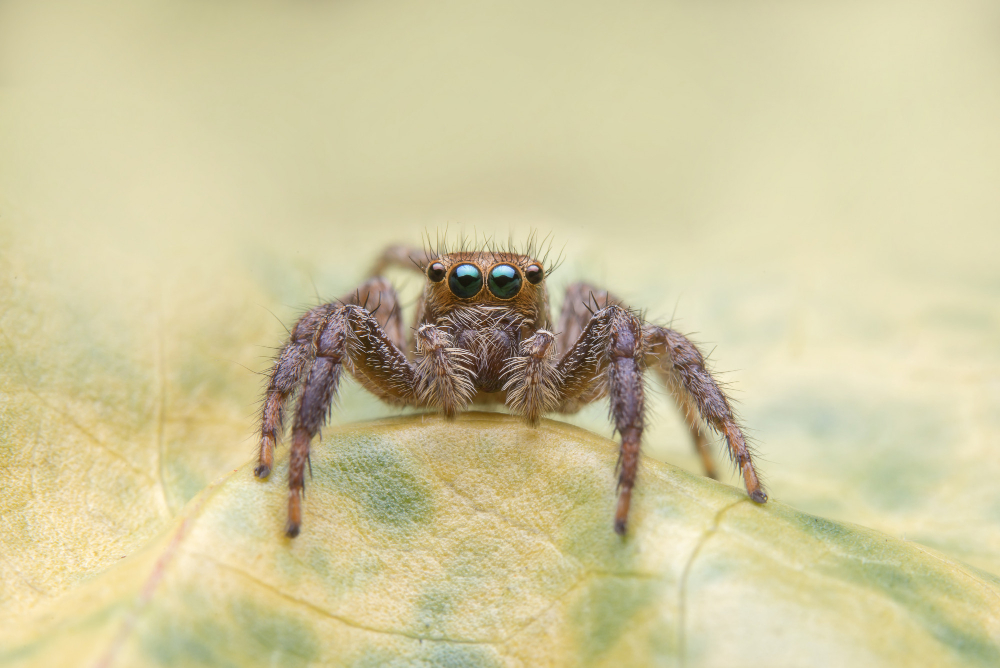
Spiders set up shop where they can hang webs again and again. We knock down webs, clear out hiding spots, and treat the corners, eaves, and other anchor areas that keep drawing them back. The goal is simple: fewer webs now and less spider activity later.
A garage fridge is basically an easy pit stop for pests. Sticky spills, crumbs under the unit, and water in the drip tray draw them in, and the warm compressor gives them a cozy place to hang out. Local exterminators often find ants and even rodents working the edges and gaps behind it. Clean around the fridge, empty the tray, and seal openings nearby to cut the traffic down.
Yes, certain pests can breed in both places under the right conditions. Vacuum canisters with organic debris can support pantry pests or fly larvae. Floor drains with buildup and moisture can host drain flies. We recommend frequent emptying, rinsing, and drain cleaning. Simple maintenance removes breeding material and cuts off these overlooked indoor sources.
Scent alone rarely controls insects. Some strong botanical smells may briefly repel certain pests, but others are actually attracted to sweet or citrus scents. Our pest experts treat scented cleaners as hygiene tools, not control methods. Clean surfaces help reduce food residue, which matters more than fragrance when it comes to lowering pest attraction indoors overall.
Paint type has a limited impact, but finish can make a difference. Smooth, semi-gloss, and gloss paints are easier to clean and less supportive for insect resting compared to flat finishes. Some specialty coatings claim repellent qualities, but we treat those as secondary support. Proper sealing and treatment matter far more than paint choice alone.
Structures provide warmth, stable temperature, and hidden shelter, which helps pests stay active through winter. Rodents nest in insulation and voids. Many insects enter a low-activity state inside walls and attics. Our pest control exterminators focus winter service on exclusion and interior hotspots. Cold weather outside often increases the value of prevention work inside buildings.
If the vent cap or screen is missing, loose, or rusted out, that pipe becomes an open doorway. Small birds and insects can slip in, and rodents will sometimes use it to reach attic and wall spaces. During an exterior check, we look at roof vents when we can safely access them. Adding the right screen or cap keeps pests out while still letting the vent breathe the way it should.
Dryer vents can attract pests because of warm air, lint buildup, and occasional moisture. Rodents may try to nest in vent lines, and insects gather around lint residue. We suggest using proper vent covers and keeping ducts cleaned regularly. Exterior vent inspection is a small step that prevents bigger hidden pest and fire risks.
We offer our pest extermination services to residents within Northern Utah. Find us in your neighborhood!