 Reviews

What Attracts Ants To Kitchens In Utah Houses In Springtime
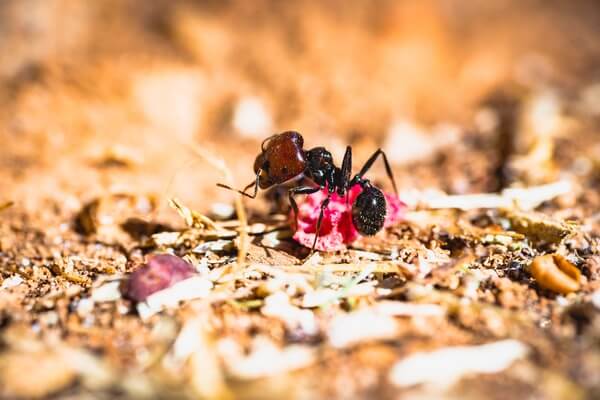
Spring in Utah brings warmer temperatures, increased moisture, and a surge in insect activity. Among the most common issues homeowners face during this season is the sudden appearance of ants in kitchens. What begins as a few visible trails can quickly develop into a persistent problem if the underlying causes are not addressed.
From a professional standpoint, ant activity in kitchens is rarely random. It is the result of specific environmental conditions and behaviors that make certain areas more attractive than others. Understanding these triggers is essential for implementing effective ant control and preventing infestations from taking hold.
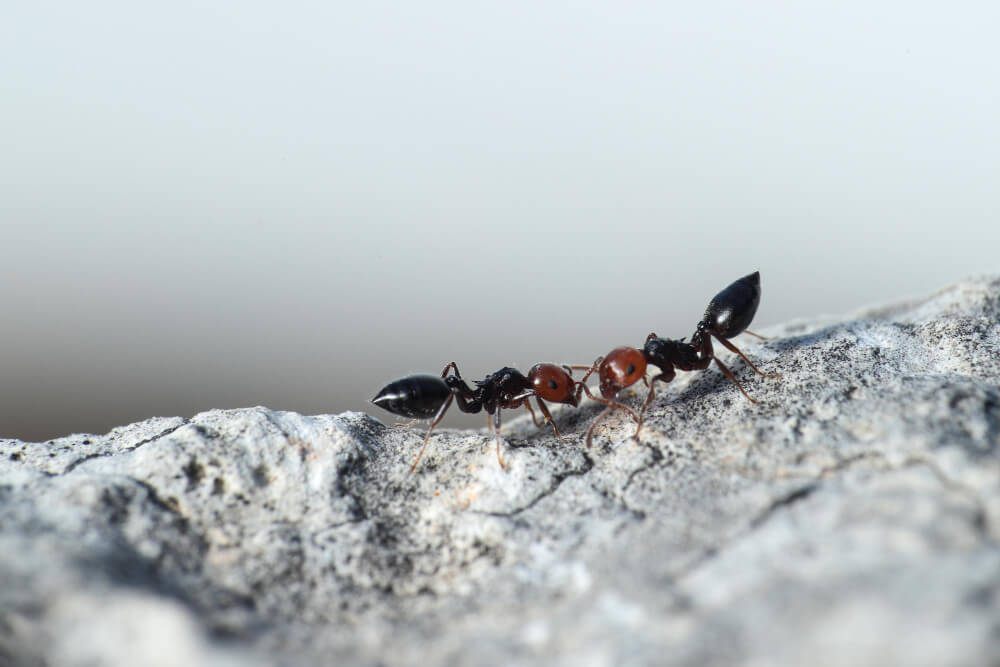
Why Spring Conditions Increase Ant Activity
Ants become more active in spring as colonies expand and begin searching for reliable food and water sources. Kitchens naturally provide both, making them a primary target.
Several seasonal factors contribute to this increase:
- Rising temperatures. Warmer conditions stimulate colony movement and foraging behavior.
- Increased moisture. Spring rain creates favorable nesting environments outdoors.
- Food demand. Expanding colonies require consistent nourishment.
- Breeding cycles. New ants increase the need for resources.
- Migration patterns. Ants move from outdoor nests toward indoor food sources.
As explored in our resource about spring garden prevention, outdoor conditions often influence indoor pest activity.
These factors combine to drive ants toward kitchens, where they can easily access what they need.
Common Kitchen Attractants That Draw Ants Indoors
Kitchens offer a concentrated source of food and moisture, making them one of the most attractive areas for ants. Even small amounts of residue can be enough to establish a trail.
- Food crumbs and spills. Even minor residue can attract foraging ants.
- Sugary substances. Sweet foods and drinks are particularly appealing.
- Grease and oils. Cooking surfaces can provide a consistent food source.
- Open containers. Unsealed food items make access easier.
- Moisture sources. Leaks and condensation provide hydration.
These attractants often go unnoticed, allowing ants to establish a consistent presence. Once a trail is formed, it can quickly lead to increased activity as more ants follow the same path.
How Ant Infestations Develop in Kitchens
An ant infestation typically begins with a small number of scout ants. These ants search for food and leave behind chemical trails that guide others to the source.
- Initial scouting. Individual ants explore the environment for resources.
- Trail formation. Chemical signals create a path for other ants to follow.
- Colony reinforcement. More ants are directed to the food source.
- Nest expansion. The colony grows as resources become reliable.
- Persistent activity. Trails remain active until the source is removed.
Insights from our resource about ant infestation causes show how quickly these patterns develop.
Once established, infestations become more difficult to manage without a comprehensive approach.
Environmental Factors That Support Ant Activity
Beyond visible attractants, broader environmental conditions play a significant role in sustaining ant activity. These factors often exist both inside and outside the home.
- Entry points. Small cracks and gaps allow ants to access indoor spaces.
- Outdoor nesting sites. Soil, mulch, and vegetation provide ideal habitats.
- Proximity to food sources. Nearby resources encourage repeated visits.
- Structural conditions. Areas with moisture or damage can attract ants.
- Lack of disruption. Undisturbed trails allow activity to continue.
Addressing these factors is essential for effective ant control. Without resolving underlying conditions, infestations are likely to return even after visible activity decreases.
Why Professional Ant Control Delivers Better Results
Ant control requires more than surface-level solutions. While visible trails may seem manageable, the colony itself often remains hidden and active.
Professional pest control specialists approach the problem with a comprehensive strategy. They identify nesting locations, evaluate environmental conditions, and apply treatments that target the colony at its source. This ensures that the infestation is addressed fully rather than temporarily reduced.
Without this level of expertise, it can be difficult to achieve lasting results. Short-term solutions may disrupt activity, but they rarely eliminate the underlying cause. Recurring infestations are common when colonies remain intact.
A structured approach to ant control provides consistency and reliability. It addresses both immediate concerns and long-term prevention, ensuring that kitchens remain protected throughout the season.
Where Prevention Turns Into Lasting Control
Ant activity in kitchens is a predictable result of spring conditions, but it does not have to become a recurring problem. By understanding what attracts ants and addressing those factors early, it becomes possible to maintain a cleaner and more controlled environment.
Taking a proactive approach also helps reduce the chances of repeated infestations throughout the season. When conditions are managed consistently, ant activity becomes easier to control and less likely to return in the same areas. This creates a more stable and manageable indoor space over time.For expert solutions and dependable protection, connect with EcoLine Pest Control to ensure your ant control strategy is designed for long-term success and consistent results.
