 Reviews

What Are the Most Common Pests in Farmington, UT, and How Can I Control Them Safely Around Pets?
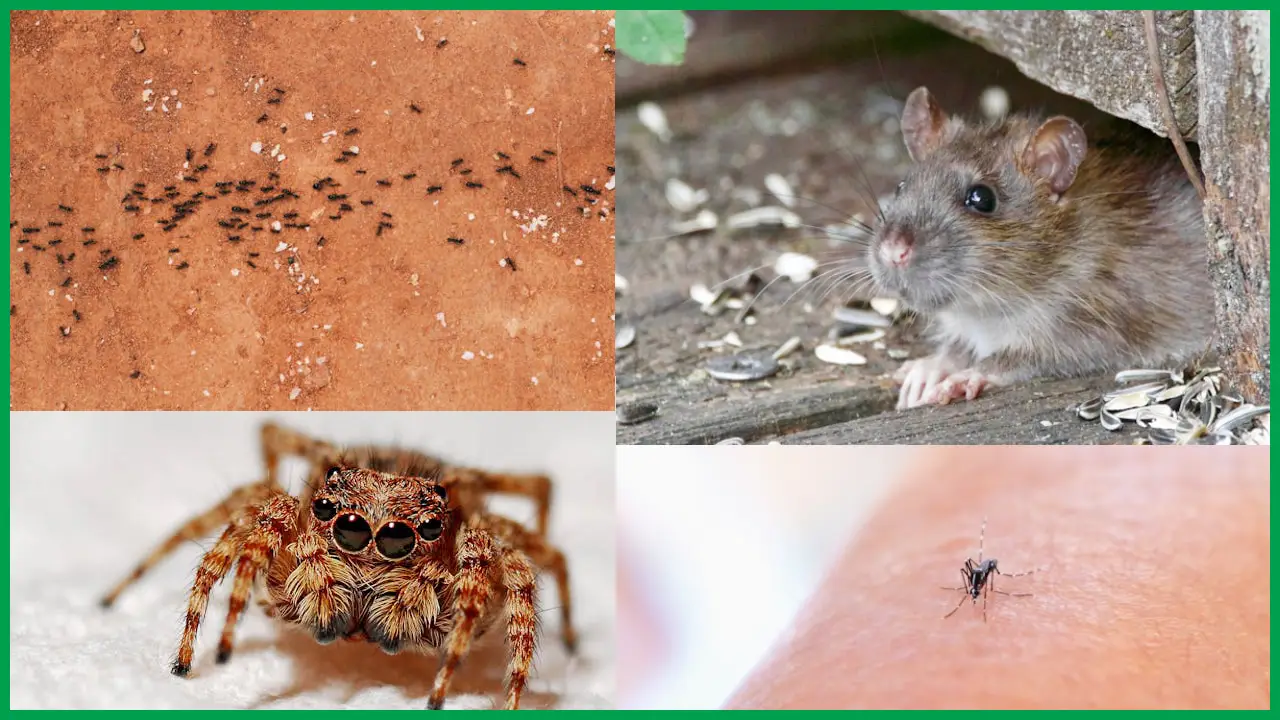
Farmington, UT, presents a unique mix of environmental conditions that support a wide range of pest activity throughout the year. Seasonal changes, residential growth, and nearby natural areas all contribute to the presence of insects and rodents in and around homes. For households with pets, managing these pests requires careful consideration, balancing effectiveness with safety.
From an expert perspective, pest control is not just about removing pests. It involves understanding which species are most active in the area, how they behave, and how to manage them in a way that keeps both people and pets protected. A thoughtful, structured approach ensures that pest activity is reduced without creating unnecessary risks.
The Most Common Pests Found in Farmington Homes
Farmington properties commonly encounter a variety of pests that thrive in both indoor and outdoor environments. Each type presents different challenges and requires specific management strategies.
- Ants. Frequently found in kitchens and near moisture sources
- Spiders. Often settle in corners, basements, and undisturbed areas
- Cockroaches. Thrive in hidden, humid spaces such as kitchens and bathrooms
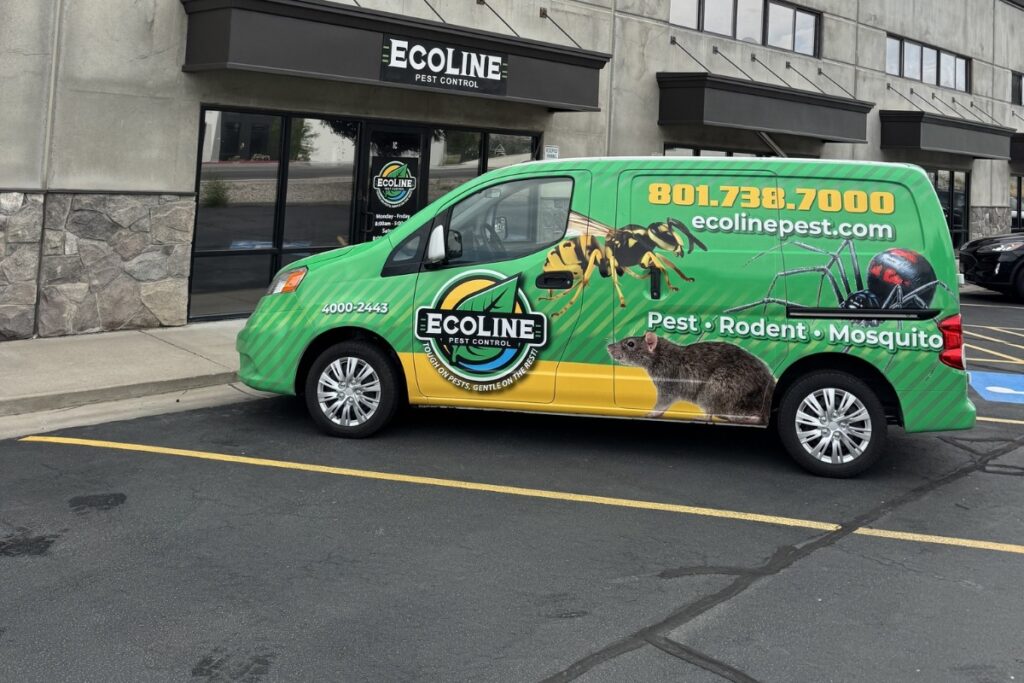
- Wasps. Build nests near entry points and outdoor structures
- Rodents. Seek shelter in walls, attics, and storage areas
These pests are drawn by food, water, and shelter. Once these resources are available, activity can increase quickly, especially during seasonal transitions.
Understanding how pest activity shifts throughout the year is essential. In our recent article on local pest prevention costs, the importance of ongoing management in Farmington is explored further.
Why Pet Safety Matters in Pest Control
Households with pets require an added layer of consideration when implementing pest control strategies. Pets interact with their environment differently, often coming into contact with surfaces, plants, and hidden areas.
- Increased exposure. Pets spend time on floors and outdoor areas where treatments may be applied
- Curiosity behavior. Animals may investigate treated spaces or materials
- Sensitivity. Certain products may affect pets differently than humans
- Indoor and outdoor movement. Pets move between spaces, increasing contact points
- Shared environments. Living areas must remain safe for all occupants
These factors highlight the importance of selecting pest control methods that are both effective and carefully applied. Safety does not mean compromising results. It means applying solutions in a controlled and informed way.
Safe and Effective Pest Control Strategies for Homes With Pets
Professional pest control services focus on methods that reduce risk while maintaining strong results. These strategies are designed to target pests without unnecessary exposure.
- Targeted treatments. Applying solutions only where pests are active
- Low-toxicity products. Using formulations designed for controlled environments
- Barrier applications. Creating protective zones that limit pest entry
- Scheduled treatments. Timing applications to reduce interaction with pets
- Clear communication. Guiding safe reentry and usage
These approaches ensure that pest control remains both effective and responsible. Precision is key. Treatments are applied where they are needed most, minimizing contact with non-target areas.
Seasonal adjustments also play a role in maintaining safety. In our blog post on pet-safe timing, the importance of adapting pest control strategies throughout the year is discussed in more detail.
Preventing Pest Activity Without Increasing Risk
Prevention is one of the most effective ways to manage pests while maintaining a safe environment for pets. By reducing the conditions that attract pests, the need for active treatment can be minimized.
- Eliminate food sources. Keep areas clean and store food securely
- Manage moisture. Fix leaks and reduce standing water
- Seal entry points. Close gaps around doors, windows, and foundations
- Maintain landscaping. Trim plants and remove debris near the home
- Monitor activity. Identify early signs before infestations develop
These preventative measures create a less inviting environment for pests. Over time, this reduces the likelihood of infestations and supports a more stable living space.
While prevention is essential, it must be combined with proper assessment and monitoring to ensure effectiveness.
Why Professional Pest Control Provides Better Results
Managing pests in a pet-friendly home requires expertise, precision, and consistency. Professional pest control services are designed to meet these needs while delivering reliable outcomes.
The process begins with a detailed inspection to identify pest activity and environmental factors. This step ensures that treatments are tailored to the specific conditions of the property. By understanding where pests are active and why, professionals can apply solutions more effectively.
Another advantage is product selection. Professionals use solutions that are designed for controlled application, balancing effectiveness with safety. These treatments are applied in a way that minimizes exposure while targeting the source of the problem.
Ongoing monitoring is also essential. Pest activity can change with the seasons, and regular assessments ensure that any new issues are addressed quickly. This level of consistency is difficult to achieve without dedicated expertise.
Without professional guidance, pest control efforts may be incomplete or inconsistent. A structured approach ensures that both pest activity and safety considerations are managed together.
Where Protection Meets Peace of Mind
Managing pests in Farmington homes requires more than quick fixes. It calls for a thoughtful approach that protects both your space and your pets. With the right strategy, pest control becomes both effective and responsible.For safe, reliable pest control solutions, contact EcoLine Pest Control and take the next step toward a cleaner, more protected home.
