 Reviews

What Causes Cricket Infestations In Utah Homes
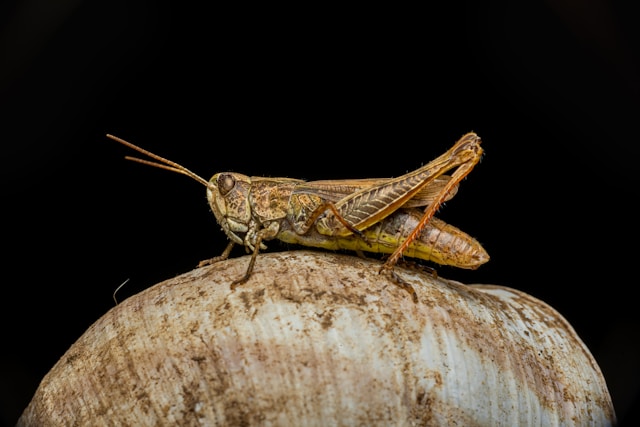
A single cricket inside the home may not seem alarming at first. Then another appears near the garage. A few nights later, chirping sounds began coming from the basement or crawl space. Before long, what seemed minor starts feeling difficult to ignore.
Crickets become increasingly active in Utah during warmer months, especially when outdoor conditions create easier access to indoor shelter. While occasional activity may happen seasonally, recurring cricket infestation problems often point toward environmental conditions attracting them closer to the property.
Crickets are drawn to moisture, warmth, darkness, and protected hiding areas. Once those conditions become available around a home, activity may gradually increase indoors. Understanding what attracts crickets in the first place is often the first step toward long-term prevention.
Why Utah Homes Attract Cricket Activity
Utah’s seasonal climate creates favorable conditions for several pests throughout the year, including crickets. Dry outdoor temperatures during summer and changing weather patterns often push insects toward cooler, more protected environments indoors.
Crickets typically remain active around foundations, landscaping, garages, basements, crawl spaces, and storage areas where moisture and shelter are available.
Several conditions may increase cricket infestation risks:
- Moisture attracts cricket activity. Damp spaces often create favorable hiding conditions
- Exterior lighting draws insects closer. Bright lights may increase nighttime pest movement
- Structural gaps allow indoor access. Small openings near doors and foundations may create entry points
- Cluttered storage spaces provide shelter. Crickets often hide in dark, undisturbed areas
- Landscaping conditions affect pest pressure. Thick vegetation may increase outdoor activity near structures
Although crickets do not create structural damage like termites, larger infestations may still become disruptive inside homes. Their constant noise, rapid movement, and growing indoor presence often make infestations increasingly difficult to ignore over time.
How Seasonal Changes Affect Cricket Infestations
Seasonal weather shifts strongly influence cricket behavior throughout Utah. During hotter periods, crickets frequently search for cooler environments with moisture and protection from outdoor exposure.
As temperatures fluctuate, homes often provide more stable conditions than outdoor environments.
Several seasonal factors may contribute to increased activity:
- Hot weather drives insects indoors. Cooler indoor areas may attract cricket populations
- Seasonal moisture changes affect movement. Rainfall and irrigation may increase outdoor activity
- Temperature shifts alter nesting behavior. Crickets often relocate as conditions change
- Outdoor food sources fluctuate seasonally. Limited resources may encourage indoor migration
- Shelter becomes more important over time. Protected spaces help crickets survive changing conditions
Homes with basements, crawl spaces, utility rooms, or poorly ventilated storage areas may experience greater activity because these environments retain moisture and limited airflow.
Seasonal pest-management strategies often become more important during warmer months when insect pressure increases across residential areas. Homeowners exploring pet-conscious prevention methods may also benefit from reviewing these seasonal pet-safe strategies designed for Utah properties.
Common Areas Where Crickets Hide Indoors
Crickets rarely remain in open spaces for long. Most infestations develop in darker, quieter areas where activity can continue unnoticed during the daytime.
Indoor cricket infestations often spread gradually as insects locate stable shelter conditions throughout the property.
Several indoor areas commonly attract cricket activity:
- Basements provide cool shelter. Limited light and moisture may support infestations
- Crawl spaces retain damp conditions. Poor ventilation often increases pest activity
- Garages create protected environments. Storage clutter may provide additional hiding areas
- Laundry rooms contain moisture sources. Warm, damp spaces may attract insects indoors
- Utility openings increase access opportunities. Gaps around pipes and wiring may allow entry
Outdoor conditions surrounding the property also influence indoor activity. Crickets commonly gather near mulch beds, decorative stone, stacked firewood, dense vegetation, and exterior drainage areas before eventually moving indoors.
Because infestations often involve multiple entry points, professional inspections usually focus on both interior and exterior conditions instead of visible activity alone.
Why Cricket Problems May Continue Without Treatment
One reason cricket infestation problems become frustrating is that activity often continues even after a few visible insects are removed. Crickets may remain hidden in surrounding areas while additional insects continue entering from outdoors.
Long-term control usually depends on identifying the environmental conditions contributing to repeated activity.
Several factors often make infestations harder to eliminate:
- Hidden populations remain active nearby. Visible crickets may represent a larger infestation
- Entry points continue allowing access. Unsealed gaps may support recurring activity
- Moisture conditions attract ongoing movement. Damp environments often encourage infestations
- Outdoor populations remain close to structures. Nearby shelter areas may increase indoor migration
- Inconsistent treatment limits long-term results. Temporary solutions may not address root causes
Professional pest control services often combine inspection, exclusion methods, environmental adjustments, and targeted treatments to help reduce both current and future activity.
Homeowners dealing with recurring infestations may also benefit from understanding why persistent pest problems often require more comprehensive strategies than surface-level treatment alone.
Why Early Prevention Matters For Utah Homes
Cricket infestations rarely improve on their own once favorable conditions develop around a property. Moisture buildup, structural openings, and outdoor shelter areas may continue attracting additional activity throughout the season if left unaddressed.
That is why early prevention and professional evaluation often play an important role in long-term pest management. Identifying hidden entry points, moisture concerns, and environmental risk factors can help reduce recurring activity before infestations spread further indoors.
Creating A More Comfortable Indoor Environment
Professional inspections can help identify the conditions contributing to cricket infestation problems and recommend practical long-term prevention strategies. Contact EcoLine Pest Control to learn more about seasonal pest-control solutions designed for Utah homes.
