 Reviews

Effective Perimeter Treatments For Utah Homes
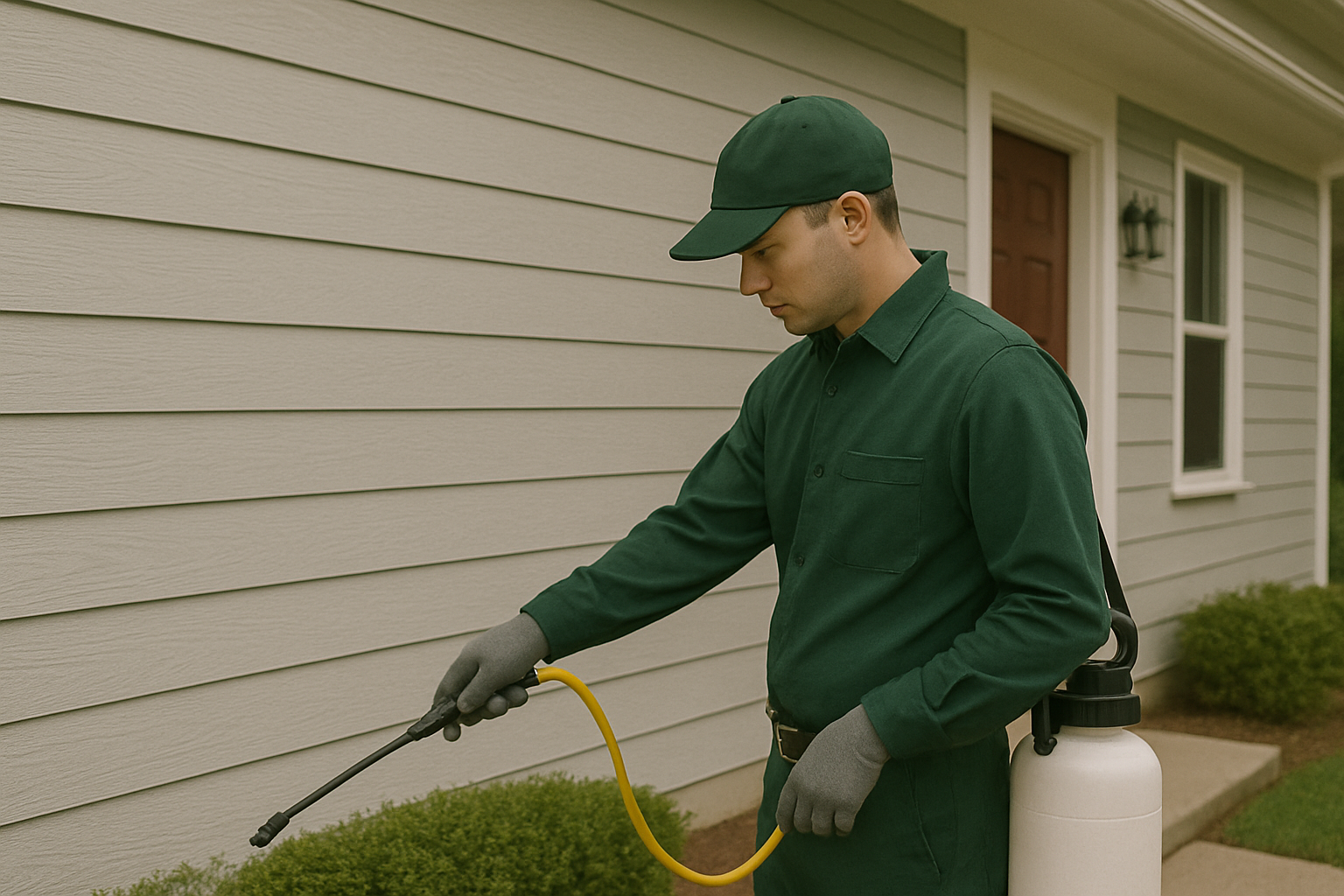
Utah homes face changing pest pressure as temperatures, moisture, irrigation, and seasonal shelter needs shift. Ants, spiders, rodents, mosquitoes, termites, crickets, silverfish, stink bugs, and other crawling pests may approach foundations, garages, rooflines, patios, and utility openings before moving indoors. A perimeter treatment is designed to interrupt that movement before pests become established inside.
Effective pest control depends on more than applying material around the foundation. Professionals inspect how the property is built, where pests are active, which exterior conditions support them, and how weather may affect the treatment. This creates a focused barrier that works with exclusion, habitat modification, monitoring, and follow-up. It also keeps interior treatment from becoming the default response when exterior source control can reduce pressure before pests cross the building envelope.
Inspection Determines Where The Barrier Belongs
A perimeter is not equally vulnerable on every side of a home. One wall may receive irrigation overspray, another may border dense vegetation, and a garage threshold may contain gaps that allow crawling pests or rodents to enter. Technicians look for evidence before deciding where treatment should be concentrated.
A professional exterior inspection may evaluate:
- Cracks around foundations, patios, steps, and wall transitions
- Gaps near doors, windows, vents, cables, pipes, and utility lines
- Webs, nests, trails, droppings, or other signs of current activity
- Damp soil, mulch, vegetation, and drainage near the structure
- Roofline, eave, garage, and storage areas that provide shelter
This inspection-first process prevents a one-size-fits-all application. It also helps distinguish an active entry route from an area that simply appears vulnerable.
Preparation Improves Treatment Access And Precision
Technicians need clear access to foundation edges, thresholds, patios, garages, and other target zones. Following appropriate treatment preparation steps allows service to remain focused and reduces obstacles around areas where pests hide or travel.
Homeowners may be asked to move portable items, secure pet belongings, trim vegetation, or provide access to gates and exterior utility areas. Instructions vary according to the pest, property layout, and treatment method.
Preparation does not mean exposing every part of the yard to treatment. It gives the technician enough visibility to inspect accurately, protect appropriate belongings, and place materials only where evidence and likely pest movement justify them.
Layered Exterior Protection Addresses Multiple Routes
A strong perimeter program combines several preventive measures rather than relying on one continuous spray line. Utah pests may approach through ground-level cracks, roofline gaps, utility penetrations, garages, vegetation, or moisture-prone areas. Each route requires a suitable response.
A layered plan may include:
- Targeted treatment around active foundation and exterior zones
- Crack-and-crevice applications near confirmed crawling-pest routes
- Web, egg, and nest removal around eaves and sheltered corners
- Entry-point mitigation guidance for doors, vents, and utility openings
- Traps, baiting systems, or monitoring where the pest requires them
The exact methods should reflect the species present. Ant colonies, spiders, crickets, rodents, mosquitoes, termites, silverfish, and stink bugs do not respond to identical treatment. Professional identification keeps the barrier aligned with pest biology.
Professional Placement Supports Safer Long-Term Results
The value of trained pest professionals is not simply access to different products. Technicians understand labels, weather conditions, application zones, pest behavior, and how to limit unnecessary treatment around occupied properties.
Utah’s wind, heat, snow, rain, and irrigation can affect exterior materials over time. Professionals consider surface type, recent weather, drainage, sunlight, and likely pest pressure before applying or reinforcing a barrier. They can also explain drying, reentry, and pet-friendly precautions based on the selected service.
Evidence-based placement reduces broad application while supporting better coverage in high-activity areas. This approach is especially useful where children, pets, gardens, or pollinator activity require careful planning.
Barrier Maintenance Keeps Protection Responsive
Perimeter treatments are not permanent. Weather, landscaping, construction, building wear, and pest life cycles can create new pressure after an initial visit. Irrigation may wash through one area, plants may grow against siding, or rodents may discover a new utility gap as temperatures fall.
Ongoing maintenance may involve:
- Rechecking previous hotspots for renewed trails, webs, or droppings
- Reinforcing exterior barriers where weather or activity reduced coverage
- Adjusting treatment zones as moisture and vegetation conditions change
- Inspecting newly developed cracks, gaps, and roofline vulnerabilities
- Scheduling follow-up according to seasonal pressure and service findings
Quarterly or other scheduled inspections give technicians a record of how the property changes. If activity appears between visits, findings can be compared with earlier service notes and the plan can be adjusted rather than repeated automatically.
Effective perimeter pest control protects the transition between the yard and the home. It combines inspection, targeted placement, exclusion guidance, environmental awareness, and follow-up into one coordinated strategy. When each layer reflects actual property conditions, the result is more dependable than treating isolated sightings after pests have already moved indoors. It also gives homeowners clearer expectations about what the treatment addresses, how long protection may last, and when changing conditions justify another inspection.
Strengthen The Boundary Around Your Home
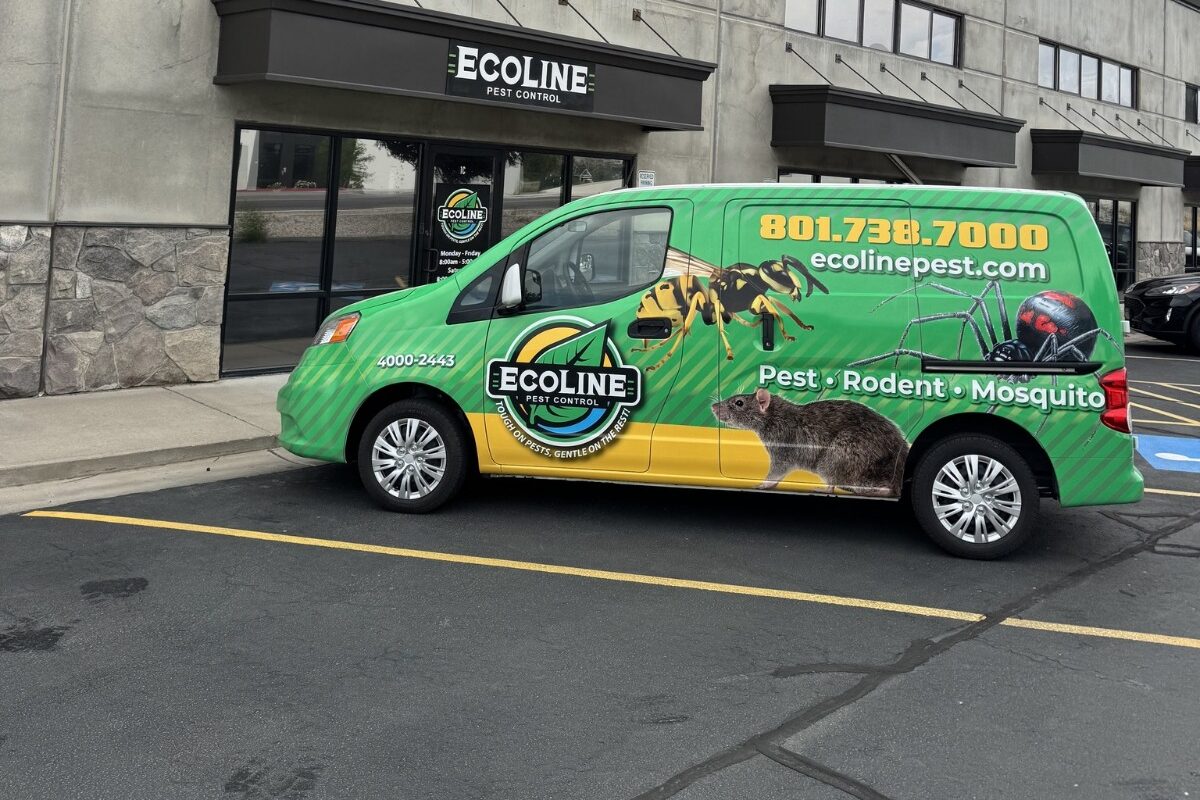
Contact EcoLine Pest Control for professional inspection, targeted perimeter treatment, eco-conscious pest control, and dependable year-round barrier maintenance.
