 Reviews

Why Professional Pest Control Outperforms DIY Methods
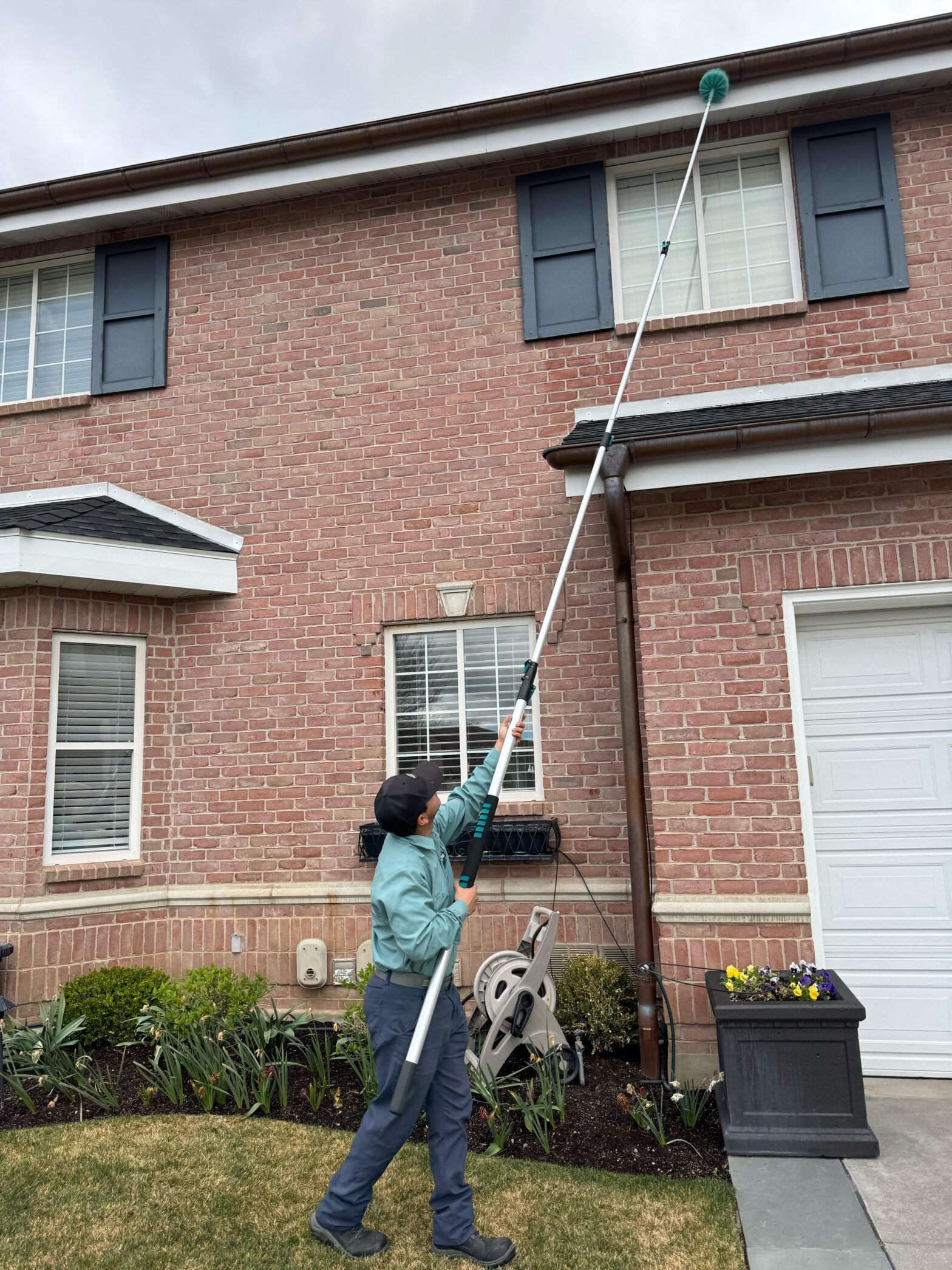
Pest problems rarely begin as the dramatic infestation people imagine. Most start quietly, with ants near a window, spiders around storage areas, mosquitoes in shaded yard spaces, or mice testing small utility gaps. Because the early signs look manageable, many property owners reach for store-bought sprays, traps, or quick fixes. Those options may reduce what is visible for a short period, but they usually do not explain why the activity started or where it is moving next.
Professional pest control outperforms DIY methods because it begins with investigation, not guesses. The stronger approach is to understand food sources, moisture, shelter, entry points, and hidden routes that allow pests to keep returning. This matters for ants, spiders, crawling pests, mosquitoes, mice, and rats because each one behaves differently and requires a plan built around its habits.
DIY Products Often Treat the Symptom, Not the Source
Most DIY pest products are built for fast visibility. A spray may knock down insects on contact. A trap may catch one mouse. A mosquito product may reduce activity in one corner of the yard. Pests usually represent a larger condition, not a one-time appearance.
- Ants may be trailing from outdoor colonies, wall voids, foundation gaps, or moisture-heavy areas.
- Spiders often follow insect activity, so treating only the spider can leave the food source untouched.
- Mice and rats may use roofline gaps, garage edges, vents, or utility openings that remain active after trapping.
- Mosquitoes can rebuild around shaded resting spots and standing water if those areas are not evaluated.
This is why surface-level control can feel successful at first, then disappointing later. A professional inspection connects the visible pest to the reason it is there. That connection helps create longer-term results instead of repeated short-term reactions.
Professional Plans Are Built Around Pest Behavior
Every pest requires a different level of strategy. Ant control is not the same as rodent control. Mosquito control is not the same as spider management. Professional planning considers the pest’s movement pattern, hiding areas, pressure points, and the conditions that support activity across the property.
- Ant control focuses on trails, colony pressure, entry points, and moisture conditions that keep activity active.
- Spider control often includes web removal, targeted treatments, and reducing the insects that attract spiders.
- Mouse and rat control requires inspection of access points, trapping strategy, sanitation awareness, and exclusion recommendations.
- Mosquito control targets shaded, damp, and resting areas where populations are most likely to build.
- Crawling pest control addresses travel routes along walls, floors, cracks, utility lines, and outdoor perimeters.
This detail matters in Utah, where seasons can shift pest behavior quickly. Warmer weather may increase ant and mosquito pressure, while cooler periods may push rodents indoors. For homes with children or animals, seasonal planning should also account for pet-safe timing so treatment decisions fit the household, the yard, and the season.
Professional Pest Control Reduces Trial and Error
DIY pest control often becomes a cycle of experimenting. One product is tried, then another, then a stronger one, often without knowing whether the pest has been correctly identified. That approach can waste time while pests continue spreading into less visible areas.
- Professionals identify the pest before choosing the method, which prevents mismatched treatments.
- Inspections reveal hidden pressure points, including gaps, moisture, nesting zones, and food access.
- Targeted applications reduce unnecessary product use by placing treatments where pests actually travel.
- Follow-up planning helps measure whether the activity is declining, relocating, or returning from a different source.
- Prevention recommendations support long-term protection by addressing the structure and surrounding conditions.
This is where professional pest control becomes more efficient. Instead of reacting to each new sighting, technicians build a clearer picture of the infestation and its likely path. That matters with rodents because one visible mouse can point to a larger access issue. It matters with ants because visible trails may be only one part of the colony’s movement. It matters with mosquitoes because the yard may be supporting new activity.
Long-term prevention is another major difference. A DIY method often focuses on what is already present. A professional plan looks ahead, asking what needs to change so pests have fewer reasons to return. That may involve exterior perimeter work, indoor access-point review, moisture observations, sanitation guidance, targeted treatment zones, and recurring service intervals when pest pressure is persistent.
Professional help is also valuable because pests can become harder to manage once the activity spreads. Ants may establish stronger trails. Rodents may learn safe routes. Spiders may rebuild where insects remain active. Mosquitoes may continue breeding if shaded and damp areas stay unchanged. When the situation reaches that point, hidden pest activity often requires more careful inspection and a more disciplined response.
Smarter Protection Starts With the Right Plan
DIY methods may offer temporary relief, but professional pest control provides a clearer path toward safer, steadier, and more complete protection. For help with ants, spiders, rodents, mosquitoes, and crawling pests, contact EcoLine Pest Control for professional services built around inspection, treatment, and long-term prevention.
