 Reviews

Why You Shouldn’t Ignore Early Cricket Sightings
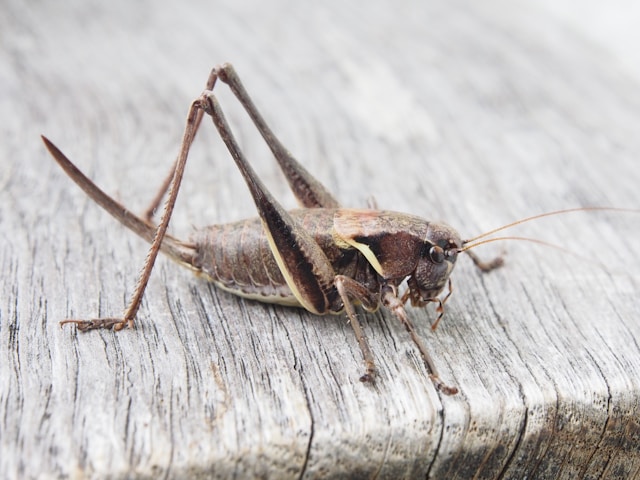
One cricket in a garage or basement may seem like a minor seasonal nuisance. However, early sightings can indicate that outdoor conditions, structural gaps, moisture, or sheltered storage areas are already supporting activity close to the home. In Utah, warm days, cooler nights, irrigation, and changing weather can push crickets toward crawl spaces, utility rooms, foundations, and other protected areas.
Crickets are known for loud chirping, but noise is not the only concern. They may feed on plant material, paper, fabrics, pet food, and organic debris. Professional pest control looks beyond the insect that was noticed and evaluates how crickets entered, where they may be hiding, and whether conditions could allow activity to increase.

One Sighting May Reveal A Larger Access Problem
Crickets often enter through small openings around doors, foundations, vents, windows, utilities, and garage edges. A single insect may have wandered indoors, but repeated sightings in the same area suggest that an entry route or nearby harborage deserves attention.
Early warning signs may include:
- Chirping from basements, crawl spaces, garages, or wall-side areas
- Crickets appearing near doors, windows, or utility openings
- Activity around damp storage zones, clutter, or outdoor lighting
- Damage to paper, fabric, plants, or stored materials
- Repeated sightings during cooler evenings or seasonal weather changes
Technicians inspect both the interior and exterior because the location where a cricket appears may not be the source. Outdoor shelter beneath decks, thick vegetation, foundation cracks, or cluttered edges can support activity before insects move inside.
Hidden Conditions Can Keep Crickets Active
Crickets prefer sheltered areas that provide warmth, moisture, darkness, and access to food. Basements, utility spaces, garages, crawl spaces, and storage rooms can offer these conditions, especially when clutter or dampness limits visibility.
The reasons pests become harder to eliminate often involve hidden nesting or resting areas, untreated entry points, and environmental conditions that remain unchanged. Surface-level responses may reduce visible crickets while leaving nearby harborages active.
A professional evaluation considers whether the activity is isolated, seasonal, or connected to a larger crawling-pest issue. This is important because crickets may share protected areas with ants, silverfish, beetles, spiders, mice, or rats handled by the service provider.
Cricket Activity Can Affect More Than Comfort
The persistent chirping of male crickets can disrupt sleep, work, and quiet indoor spaces. Crickets may also feed on paper, fabrics, plants, food residue, and other organic materials when they remain indoors. Damage may be limited at first, but recurring activity can affect stored belongings or indicate that access is still open.
A property assessment may examine:
- Cardboard, paper, fabrics, and stored items near floor level
- Pet-food areas, pantry residue, and organic debris
- Damp corners, condensation, leaks, and poorly ventilated spaces
- Landscaping, weeds, mulch, and clutter beside the foundation
- Exterior lighting that attracts insects toward doors and windows
These findings help technicians determine which conditions are relevant and which areas need targeted attention. Effective pest control does not assume that every room or exterior surface requires the same response.
Professional Inspection Provides A Clearer Diagnosis
Crickets are often heard before they are seen, and sound can travel through walls, vents, and structural voids. This makes it difficult to identify the exact source without a methodical inspection. Technicians use physical evidence, activity patterns, entry points, and property conditions to develop a more accurate picture.
A guide to professional inspection steps explains why interior and exterior evaluation matters. Inspectors look at baseboards, flooring, storage spaces, foundations, landscaping, moisture, and less-visible structural areas before recommending treatment.
A focused plan may include:
- Identifying active cricket hideouts and likely entry routes
- Treating foundation cracks, utility spaces, and confirmed harborages
- Addressing outdoor attractants near decks, landscaping, and clutter
- Establishing monitoring measures for early signs of renewed activity
- Scheduling follow-up when seasonal pressure or sightings continue
This evidence-based approach keeps placement precise and allows the strategy to change when activity shifts.
Early Action Supports More Reliable Long-Term Control
Cricket populations can become harder to manage when adults continue entering, hidden insects remain protected, or favorable conditions persist. Waiting for loud nightly chirping or frequent sightings may mean the problem has already expanded beyond one access point.
Long-term prevention combines targeted treatment with exclusion, moisture management, landscape awareness, monitoring, and seasonal service. Technicians may recommend sealing confirmed gaps, reducing dense vegetation near the structure, improving storage conditions, and correcting damp zones after active routes are understood.
Follow-up is valuable because Utah’s seasonal changes can alter cricket movement. Warm periods may increase outdoor activity, while cooler nights can drive crickets toward indoor warmth. Technicians can compare new findings with earlier visits and adjust treatment around current evidence rather than repeating the same process automatically.
Early cricket sightings are useful warnings. They provide an opportunity to identify access, shelter, and supporting conditions before noise, damage, or recurring activity becomes more disruptive. Professional pest control turns those early clues into a focused plan built around inspection, precise treatment, prevention, and continued monitoring.
Stop The Chirping Before It Spreads
Contact EcoLine Pest Control for professional cricket inspection, targeted pest control, eco-conscious treatment, and dependable follow-up.
