 Reviews

Things You Can Expect During a Professional Pest Control Inspection
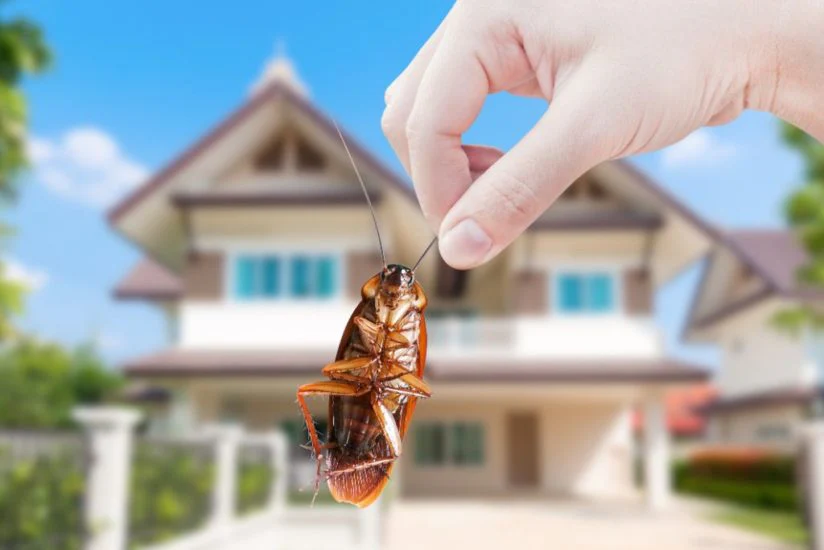
A pest issue rarely begins with obvious signs. In many cases, activity develops quietly behind walls, beneath flooring, or within structural voids long before it becomes visible. This is why a professional pest control inspection is not simply a routine check. It is a structured process designed to uncover both visible and hidden conditions that contribute to pest activity.
Understanding what happens during an inspection helps set realistic expectations and highlights the value of a thorough evaluation. Each step is focused on identifying risks, confirming pest presence, and guiding the next stage of treatment.
A Detailed Assessment of Interior and Exterior Areas
A professional pest control inspection begins with a comprehensive review of both interior and exterior spaces. This step ensures that all potential entry points, nesting areas, and environmental conditions are evaluated.
Inspectors move systematically through the property, examining areas where pests are most likely to hide or enter. This includes kitchens, bathrooms, basements, attics, and exterior foundations.
- Inspection of baseboards, walls, and flooring for signs of activity
- Evaluation of kitchens and storage areas where food sources are present
- Examination of exterior foundations and entry points
- Review of attics, crawl spaces, and less visible structural areas
This detailed approach helps create a complete picture of the property’s condition.
Identification of Common Pest Types and Activity
During the inspection, one of the primary objectives is to identify the types of pests present or likely to appear. Different pests leave different signs, and recognizing these indicators is essential for accurate assessment.
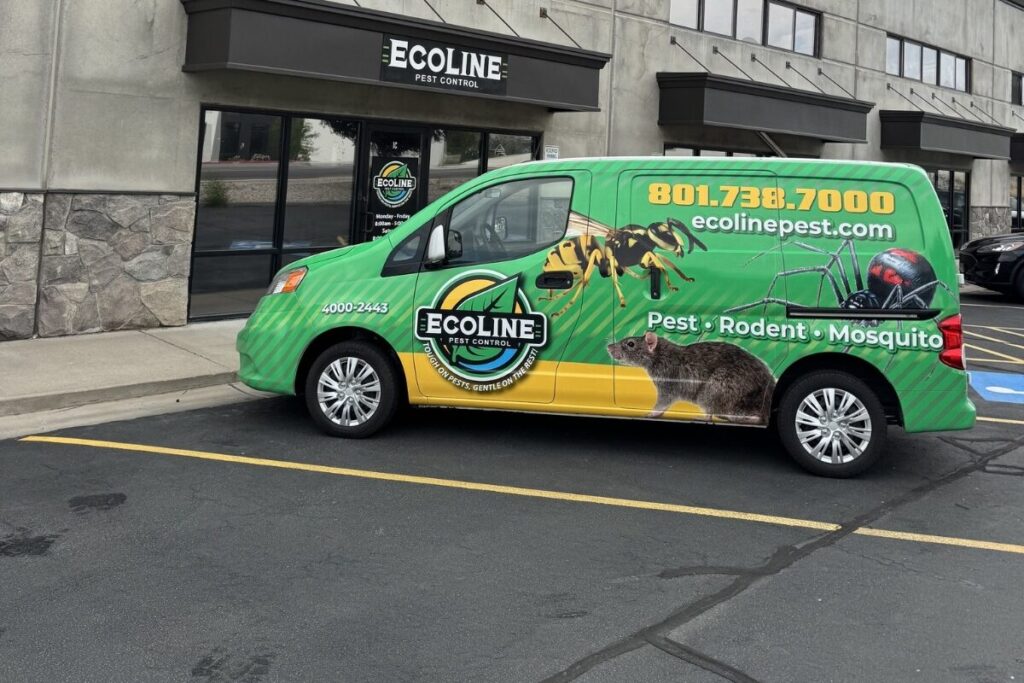
Properties may be affected by a range of pests, including ants, spiders, rodents, wasps, and occasional invaders that respond to seasonal changes. Each requires a specific approach based on behavior and habitat.
Inspectors look for evidence such as droppings, nesting materials, structural damage, or movement patterns that indicate active or developing infestations.
- Detection of ants in kitchens, walls, or foundation gaps
- Identification of rodent activity through droppings or gnaw marks
- Recognition of spider presence in undisturbed areas
- Evaluation of wasp or stinging insect activity near structures
Accurate identification ensures that the inspection leads to the right course of action.
Evaluation of Conditions That Attract Pests
Pest activity is rarely random. It is usually influenced by environmental conditions that provide access to food, water, and shelter. A professional pest control inspection focuses on identifying these contributing factors.
Rather than addressing only the pests themselves, inspectors evaluate the conditions that allow infestations to develop. This includes moisture levels, structural gaps, and areas where debris or clutter may accumulate.
- Identification of moisture issues that attract insects and rodents
- Detection of cracks, gaps, or openings that allow entry
- Assessment of landscaping and exterior conditions near the property
- Evaluation of storage areas that may provide shelter for pests
Understanding these factors helps prevent future infestations by addressing the root causes.
Insights Into Seasonal and Ongoing Pest Patterns
Pest activity changes throughout the year, influenced by temperature, moisture, and environmental conditions. A professional pest control inspection often includes insights into how these seasonal patterns may affect the property.
For example, certain pests become more active during warmer months, while others seek shelter indoors during colder periods. Recognizing these patterns allows for more effective planning and prevention.
As discussed in our recent article on seasonal pest safety factors, understanding how pest behavior shifts with the seasons is essential for maintaining consistent protection.
This forward-looking perspective ensures that the inspection is not limited to current conditions but also considers future risks.
A Clear Plan for Treatment and Prevention
At the conclusion of a professional pest control inspection, findings are organized into a clear plan that outlines recommended next steps. This may include treatment options, preventative measures, and ongoing monitoring strategies.
The goal is to move from observation to action in a structured and informed way. A well-developed plan ensures that pest activity is addressed efficiently while reducing the likelihood of recurrence.
As explored in our resource on limits of DIY pest control, incomplete or surface-level approaches often fail to resolve underlying issues. A professional inspection provides the foundation needed for more effective solutions.
- Summary of findings based on inspection results
- Recommendations for targeted treatment methods
- Preventative measures to reduce future risk
- Guidance on monitoring and follow-up care
This structured outcome turns the inspection into a practical starting point for long-term pest management.
A Smarter First Step Toward Pest Control
A professional pest control inspection offers more than a simple evaluation. It provides clarity, direction, and a deeper understanding of how pest activity develops within a property.For thorough inspections and reliable guidance, connect with EcoLine Pest Control and take a more informed step toward protecting your space.
