 Reviews

How Professional Flea Control Protects Your Pets
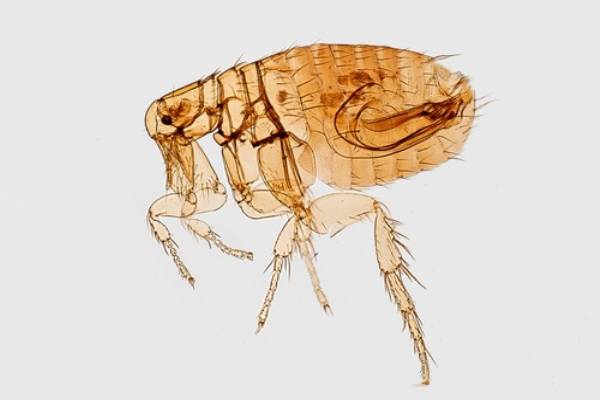
Fleas are more than a temporary nuisance for pets. These parasites can cause persistent itching, skin irritation, allergic reactions, and discomfort when an infestation grows. Because fleas can hide in carpets, upholstery, pet bedding, cracks, and outdoor areas, treating only the animal often leaves part of the problem behind.
Professional flea control protects pets by addressing the infestation as a whole. A trained technician looks at where fleas are active, which life stages may be present, and how indoor and outdoor conditions are supporting the cycle. This broader approach helps reduce repeated exposure while allowing pet owners to coordinate property treatment with veterinarian-directed care.
Fleas Can Hide Beyond Your Pet
A pet may be the first place fleas are noticed, but the infestation usually extends into the environment. Adult fleas feed on animals, while eggs can fall into carpets, furniture, bedding, floor cracks, and other protected areas. Larvae and pupae may remain hidden until conditions allow the next stage to emerge.
Common problem areas include:
- Pet beds, blankets, rugs, carpets, sofas, and upholstered furniture
- Baseboards, floor cracks, corners, and low-disturbance areas near resting spots
- Shaded patios, kennels, yard edges, and outdoor spaces used by pets
- Areas where mice, rats, or other listed pests may contribute to flea movement
- Rooms where pets sleep, play, or spend long periods during the day
This is why surface-level reactions can be disappointing. Fleas may seem to disappear briefly while hidden life stages remain active. A closer look at professional pest help explains why recurring infestations often require inspection, targeted treatment, and follow-up rather than repeated guesswork.
Professional inspection helps identify the zones where flea activity is concentrated. That allows treatment to focus on the places that matter most instead of applying products broadly without a clear reason.
Targeted Treatment Helps Break The Flea Life Cycle
Flea control is challenging because the infestation includes several life stages. Eggs, larvae, pupae, and adults do not all respond in the same way, and some stages can remain protected in carpets, cracks, or furniture. That is why a one-time reaction may not be enough for a well-established problem.
A professional treatment plan may include:
- Inspecting indoor and outdoor areas where pets spend the most time
- Treating carpets, upholstery, pet bedding zones, and other high-risk locations
- Addressing shaded outdoor areas that may support repeat flea pressure
- Using precise applications based on the infestation level and property conditions
- Scheduling follow-up visits to monitor activity and re-treat when necessary
The goal is to interrupt the cycle instead of only reducing the adult fleas that are visible today. Follow-up matters because newly emerging fleas may appear after the initial service. A technician can compare activity over time and adjust the plan based on what is still happening.
Professional flea control also works best when pet owners follow veterinarian guidance for the animals in the household. Property treatment and pet care serve different purposes, and both may be needed to reduce repeated exposure.
Careful Service Supports Pets And Families
Homes with pets need a treatment plan that considers how animals move through the property. Dogs and cats may sleep on rugs, rest near furniture, use outdoor kennels, or spend time in shaded yard areas. Children may also share floors, play spaces, and other high-contact surfaces. Product choice and placement should reflect those daily routines.
A thoughtful service plan may consider:
- Which rooms do pets use most often, and where do they sleep or rest
- Whether children use the same floors, rugs, furniture, or outdoor spaces
- How should treatment areas be prepared before the technician arrives
- Whether temporary access restrictions are needed after the service
- Which follow-up steps support safer, long-term results
This discussion of pet and child safety shows why careful treatment planning, precise application, and clear communication matter in family homes.
Professional flea control is also more effective when the property is evaluated for other listed pest pressures. Ants, cockroaches, crickets, earwigs, rats, mice, scorpions, spiders, mosquitoes, and silverfish may respond to different conditions, but a complete inspection can reveal whether moisture, clutter, outdoor shelter, or structural access points are contributing to several concerns at once.
The strongest flea plan is not built around a single product. It combines inspection, identification, targeted treatment, monitoring, and prevention guidance. That structure gives pet owners a clearer understanding of where the infestation started, what has been treated, and whether more attention is needed.
Flea problems can be frustrating because the visible activity may not show the full extent of the infestation. Professional help reduces that uncertainty. By treating the property, monitoring the life cycle, and adjusting the plan when needed, flea control becomes more focused and better suited to protecting pets from repeat exposure.
Give Your Pets A More Comfortable Home
Persistent fleas can keep pets uncomfortable and expose the household to repeated bites. A professional plan helps target hidden life stages, indoor resting areas, outdoor pressure zones, and the conditions that allow infestations to continue. For careful flea control, inspection-based treatment, follow-up, and long-term prevention, contact EcoLine Pest Control.
