 Reviews

Spider Infestation Causes And How To Reduce Activity
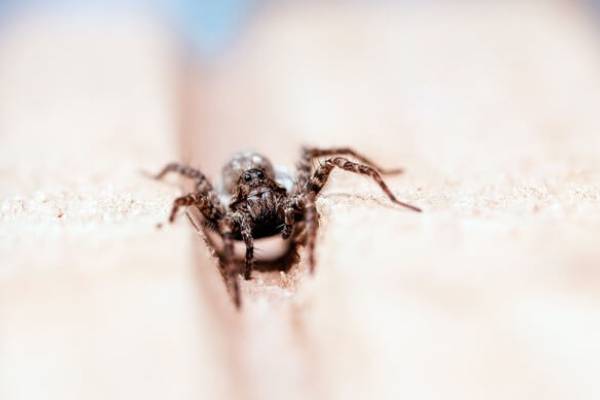
A spider infestation usually points to more than a few insects wandering indoors. Spiders settle where they can find food, shelter, quiet corners, and low-disturbance hiding spaces. If webs keep returning around windows, garages, basements, storage rooms, exterior lights, or patio edges, the property may be supporting the insects spiders feed on.
Effective spider reduction begins with understanding the conditions behind the activity. Spiders often follow other pests, including ants, cockroaches, mosquitoes, crickets, earwigs, silverfish, beetles, wasps, bed bugs, rodents, and other crawling pests. A professional pest control plan looks at the whole environment rather than treating every web as an isolated issue. This helps reduce current activity while making the home less attractive to future movement.
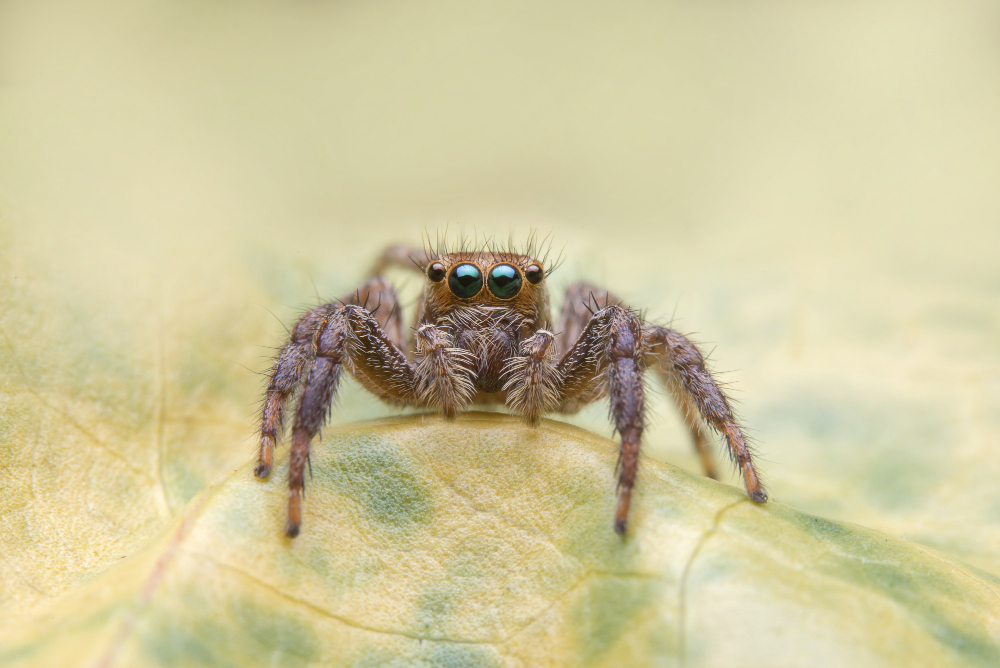
Food Sources Often Drive Spider Activity
Spiders stay where prey is available. Exterior lights, damp corners, cluttered storage, and open entry points can attract insects, which then attract spiders. If webs are concentrated near doors, windows, garages, or utility areas, the real issue may be ongoing insect pressure.
Common food-source patterns include:
- Lights. Porch lights and garage lights can attract flying insects that support spider activity.
- Moisture. Damp spaces may draw earwigs, crickets, cockroaches, silverfish, and other prey.
- Clutter. Boxes, stored items, and undisturbed corners create protected hunting areas.
- Gaps. Small openings allow insects and spiders to move inside.
- Landscaping. Dense plants near the structure can create sheltered pest routes.
Removing webs may improve appearance, but it does not address the insects or access points that keep spiders comfortable. A source-focused inspection helps identify what is feeding the infestation.
Seasonal Pressure Can Make Spiders More Noticeable
Spider activity often rises when seasonal changes affect insect movement. Warm weather can increase ants, mosquitoes, crickets, earwigs, beetles, and cockroaches around the exterior. Cooler nights can push pests closer to warmth and shelter. When prey gathers near the structure, spiders naturally follow.
This is why year-round protection matters. Pest pressure changes with weather, moisture, and building use. A one-time response may reduce visible webs, but it cannot always keep up with changing conditions.
Seasonal warning signs may include:
- Webs. New webbing appears repeatedly in the same corners, vents, or exterior edges.
- Sightings. Spiders are seen in garages, bathrooms, basements, closets, or bedrooms.
- Insects. More crickets, ants, mosquitoes, roaches, or earwigs appear around the home.
- Egg sacs. Small silk sacs in protected areas suggest reproduction nearby.
- Activity. Spiders return soon after web removal or surface cleaning.
Consistent monitoring helps connect spider activity to seasonal pest cycles rather than treating each sighting as random.
Entry Points And Hiding Areas Allow Activity To Build
Spiders do not need large openings to enter. Small gaps around doors, screens, vents, siding, utility lines, foundation edges, and garage seals can be enough. Once inside, spiders choose spaces that are quiet, dark, and rarely disturbed. Storage rooms, basements, closets, crawlspaces, garages, and wall edges can become steady hiding zones.
A discussion of professional pest help explains why hidden activity is often difficult to solve without a trained inspection. Spiders may be visible, but the causes behind them are usually spread across several parts of the property.
Important inspection areas include:
- Doors. Worn sweeps, gaps, and loose seals can allow pest movement.
- Windows. Damaged screens and frame gaps can invite insects and spiders.
- Garages. Stored items, door gaps, and light sources can support activity.
- Exterior. Foundation cracks, vegetation, and wall voids can create pest routes.
- Storage. Undisturbed boxes and shelves can hide webs, egg sacs, and prey.
Reducing spider activity requires attention to these structural and environmental details. When entry routes remain open, pests can continue moving in even after visible spiders are removed.
Professional Reduction Focuses On The Whole Pest System
A spider infestation is rarely solved by removing only the spiders people see. Professionals look for prey sources, harborage, webbing patterns, egg sacs, exterior pressure, and access points. This broader approach can also reveal related concerns, such as ants near food, cockroaches near moisture, rodents using gaps, mosquitoes around standing water, or wasps nesting near exterior structures.
A strong plan may include targeted interior and exterior service, crack-and-crevice attention, web removal guidance, monitoring, and practical prevention recommendations. The goal is to reduce the conditions that support spiders without creating unnecessary disruption inside the home.
Professional service is especially useful when spiders keep returning, when egg sacs are present, when webs collect across multiple rooms, or when activity appears around high-use areas. It provides a clearer view of whether the problem is minor, seasonal, or tied to broader pest pressure.
Clear The Corners By Solving The Source
Spider activity drops more reliably when the property is inspected for insects, entry points, hiding areas, and seasonal pressure. A source-focused plan can reduce webs, limit prey, and support long-term protection around the home. For professional spider service and pest control support, contact EcoLine Pest Control.
