 Reviews

How Summer Rains Affect Mosquito Breeding Grounds
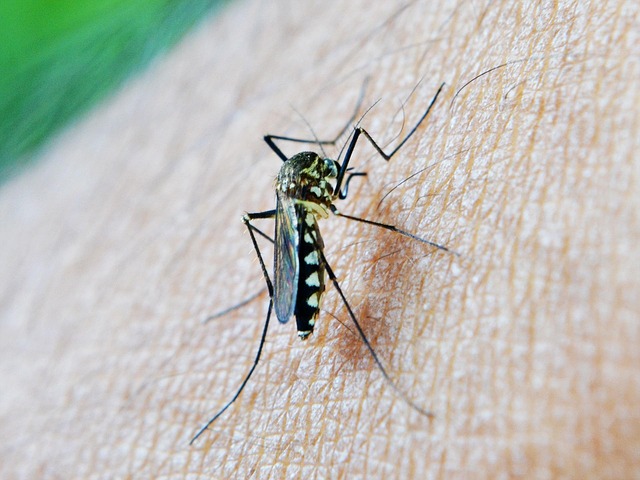
Summer rain can feel refreshing after dry heat, but it also changes the conditions around a property in ways mosquitoes use quickly. A short storm may leave water in shaded corners, plant beds, clogged drains, low lawn areas, and containers that seem too small to matter. From a pest-management perspective, these wet spots are important because mosquitoes do not need a pond or creek to develop. They need moisture, shelter, warmth, and enough time for larvae to progress.
Rain also affects mosquito pressure indirectly. Humidity keeps vegetation damp, thick foliage creates cooler resting zones, and repeated storms can refill the same areas. That is why mosquito control is rarely about one visible source. It is about understanding how water moves across the property, where it lingers, and how nearby shade protects adult mosquitoes during the hottest parts of the day.

Small Water Sources Can Become Active Quickly
Water that remains still for several days can support breeding. Gutters, yard objects, drainage features, and landscaping can all become part of the same moisture pattern after summer rain. Even small, shallow sources can matter when they sit in shade and refill before they fully dry.
Common rain-fed trouble spots include:
- Containers that collect water behind sheds, patios, or fences
- Gutters that drain slowly because of leaves or roof debris
- Low spots in turf, mulch, gravel, or planting beds
- Birdbaths, planters, buckets, toys, and outdoor storage lids
- Dense shrubs or shaded foliage that stay damp after storms
The concern is not only standing water. Adult mosquitoes often rest near the same damp, shaded areas where breeding conditions develop. Seasonal service should account for changing weather, especially where summer rain interrupts a dry pattern. For households thinking about safer seasonal planning around people and pets, seasonal pest planning helps explain why timing and conditions matter.
Why Summer Storms Can Make Mosquito Activity Feel Sudden
Mosquito problems can seem to appear overnight, but the buildup usually starts before people notice bites. Summer storms can accelerate activity because they create several favorable conditions at once. Warm temperatures help development, rain supplies water, and humid air keeps resting sites more comfortable. Repeated storms may keep temporary breeding zones from drying out.
Several factors can make mosquito activity rise after rain:
- Warm weather speeds up development from egg to adult
- Humidity helps adult mosquitoes survive longer in shaded areas
- Storm runoff can carry organic matter into water, supporting larvae
- Refilled containers restart breeding after the earlier water evaporates
- Thick foliage gives mosquitoes protected places to rest near people
This is why a property can feel calm in early summer, then become uncomfortable after a stretch of rainy evenings. Patios, decks, entryways, and pet areas become more exposed when resting zones develop nearby.
Professional assessment is useful because mosquito pressure is rarely limited to one bucket or one wet corner. A trained eye looks for patterns: where water collects, where shade protects adults, and where treatment will be most effective. That broader view helps avoid a one-time response that misses recurring activity.
Better Mosquito Control Starts With Site Conditions
Effective mosquito control begins with the property itself. Rainfall does not affect every yard the same way. Soil grade, irrigation habits, roof drainage, plant density, hardscape design, and neighboring conditions all influence where mosquitoes are likely to breed or rest. Two homes on the same street can experience different activity levels because rooflines, landscaping, and shade patterns vary.
A careful mosquito plan may consider:
- Inspection of damp zones, shaded vegetation, and water-holding areas
- Identification of breeding sites that refill after summer rain
- Targeted treatments around resting areas and moisture-prone sections
- Seasonal adjustments as rainfall, heat, and foliage density change
- Follow-up monitoring when activity continues after storms
This approach is more dependable than focusing only on what is visible during the visit. Mosquitoes move between breeding, resting, and feeding areas, so control depends on connecting those locations. It also helps explain why recurring issues can be difficult when the source is hidden, nearby, or refreshed by every storm. For a closer look at that challenge, professional pest help gives useful context on why elimination is harder without a structured plan.
Mosquito control also fits into a broader pest-management strategy. Moisture can influence other pest pressures around a property, including ants, spiders, rodents, and crawling pests. While each pest behaves differently, summer rain often exposes the same concern: conditions around the structure are changing. When those conditions are documented and addressed early, service can become more precise, consistent, and suited for long-term protection.
Keep Rain From Turning Into a Mosquito Problem
Summer rain will always create temporary moisture, but it should not be allowed to turn outdoor spaces into reliable mosquito breeding grounds. A professional inspection can identify refilling water sources, shaded resting zones, and the treatment strategy best suited to the property. For expert mosquito control and seasonal pest support, contact EcoLine Pest Control.
