 Reviews

Summer Mosquito Control Strategies For Utah Yards
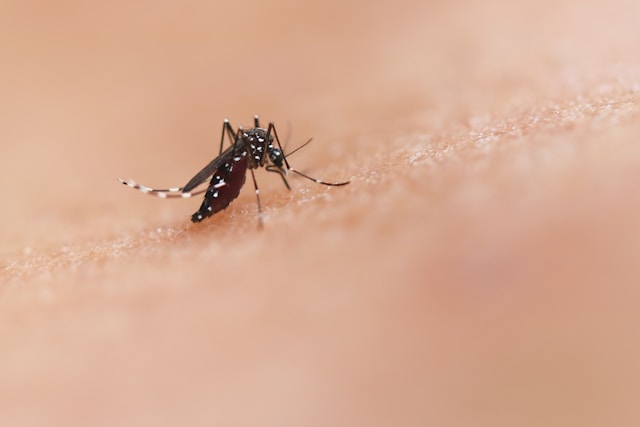
Utah summers bring warm evenings, active landscapes, and more time spent outside. They also create conditions that allow mosquitoes to build around yards, patios, gardens, and shaded areas. Mosquitoes need water to develop and protected places to rest during the day, so even a well-kept property can become uncomfortable when moisture, foliage, and seasonal heat overlap.
Effective mosquito control is not only about reducing adult mosquitoes after they appear. It begins with understanding where activity starts, where mosquitoes rest, and how yard conditions change through summer. In Northern Utah, pest pressure can include ants, spiders, rodents, mosquitoes, termites, crawling pests, and other nuisance intruders, so a strong strategy looks at the entire property environment. With the right approach, homeowners can reduce mosquito-friendly conditions and make outdoor spaces more comfortable through the season.

Start With Standing Water
Mosquitoes develop in water, and they do not need much of it. Small, overlooked sources can support activity if water sits long enough. After watering, storms, or irrigation adjustments, a yard should be evaluated for areas where moisture collects.
- Empty buckets, toys, plant saucers, and outdoor containers after water collects.
- Check gutters, downspouts, and low spots where water may sit.
- Refresh birdbaths, fountains, and pet bowls before water becomes stagnant.
- Watch irrigation overspray near patios, fences, and foundation edges.
Water management is one of the most important parts of mosquito prevention. However, it can be difficult to find every source because breeding sites may hide behind plants, under furniture, or near yard edges. Professional assessment helps identify the places most likely to support repeat activity.
Manage Gardens And Landscape Growth
Gardens can make a yard beautiful, but they can also create shade, humidity, and shelter for mosquitoes when plants become dense or overwatered. Proper spacing, airflow, and moisture control help limit resting areas while supporting healthier plant growth.
As part of a broader yard plan, garden pest preparation can help homeowners understand why debris, damp soil, and overcrowded planting areas influence pest activity. These same conditions can matter in summer when mosquitoes rest in cool, protected foliage during the day.
Trimmed shrubs, clear plant beds, and well-managed mulch make it easier to spot moisture and reduce hidden pest pressure. This also supports control for ants, spiders, rodents, termites, crawling pests, and other nuisance intruders that may use the same sheltered areas.
Target Shaded Resting Spots
Adult mosquitoes often rest in shaded, calm areas when they are not actively flying. This is why people may notice more bites near decks, fences, thick shrubs, porches, and damp corners. Treating only open lawn areas may miss the places where mosquitoes actually spend much of the day.
- Inspect shaded foliage, fence lines, porch corners, and patio edges.
- Reduce clutter where mosquitoes can rest away from the sun and wind.
- Keep grass, weeds, and dense ground cover from becoming overgrown.
- Pay attention to areas where irrigation and shade overlap.
A professional mosquito control plan focuses on both breeding zones and resting spots. That combination is more efficient than reacting only when mosquitoes interrupt evening activities.
Think Beyond One-Time Summer Relief
Mosquito pressure changes through the season. A yard may seem quiet after a dry week, then become active again after rain, irrigation changes, or a stretch of warm evenings. Because pests respond to weather and property conditions, a one-time treatment may not keep pace with the full summer cycle.
This is where year-round protection becomes important. Ongoing service helps track pest activity as seasons change, whether the concern is mosquitoes in summer, ants near moisture, spiders following prey insects, rodents seeking shelter, termites near wood, or crawling pests moving along foundations.
Consistent monitoring also allows adjustments. If breeding areas shift or resting zones become more active, treatment can be updated before outdoor spaces become uncomfortable again.
Build A Long-Term Yard Strategy
Long-term mosquito reduction depends on making the yard less supportive of mosquitoes overall. The best results come from combining inspection, moisture reduction, landscape awareness, targeted treatments, and follow-up. This type of plan is especially helpful in Utah yards where irrigation, shade, and outdoor living areas all interact.
- Schedule service during active mosquito months instead of waiting for heavy biting.
- Review yard changes after storms, watering adjustments, or new landscaping.
- Keep patios, gardens, and lawn edges clear enough for proper inspection.
- Use professional support when mosquito activity returns after short-term efforts.
Mosquitoes can make summer evenings frustrating, but the issue is often tied to conditions that can be found and managed. By reducing water, improving airflow, treating key resting areas, and monitoring seasonal patterns, homeowners can support better outdoor comfort. A professional, property-specific plan also helps address related pest pressure around the home, including ants, spiders, rodents, termites, crawling pests, and other nuisance intruders.
Make Your Yard More Comfortable This Summer
For mosquito control that considers water sources, shaded resting areas, garden conditions, and seasonal pest pressure around your Utah property, contact EcoLine Pest Control for professional support designed to help your yard feel calmer, cleaner, and easier to enjoy.
