 Reviews

Eco-Friendly Pest Control Options For Utah Families
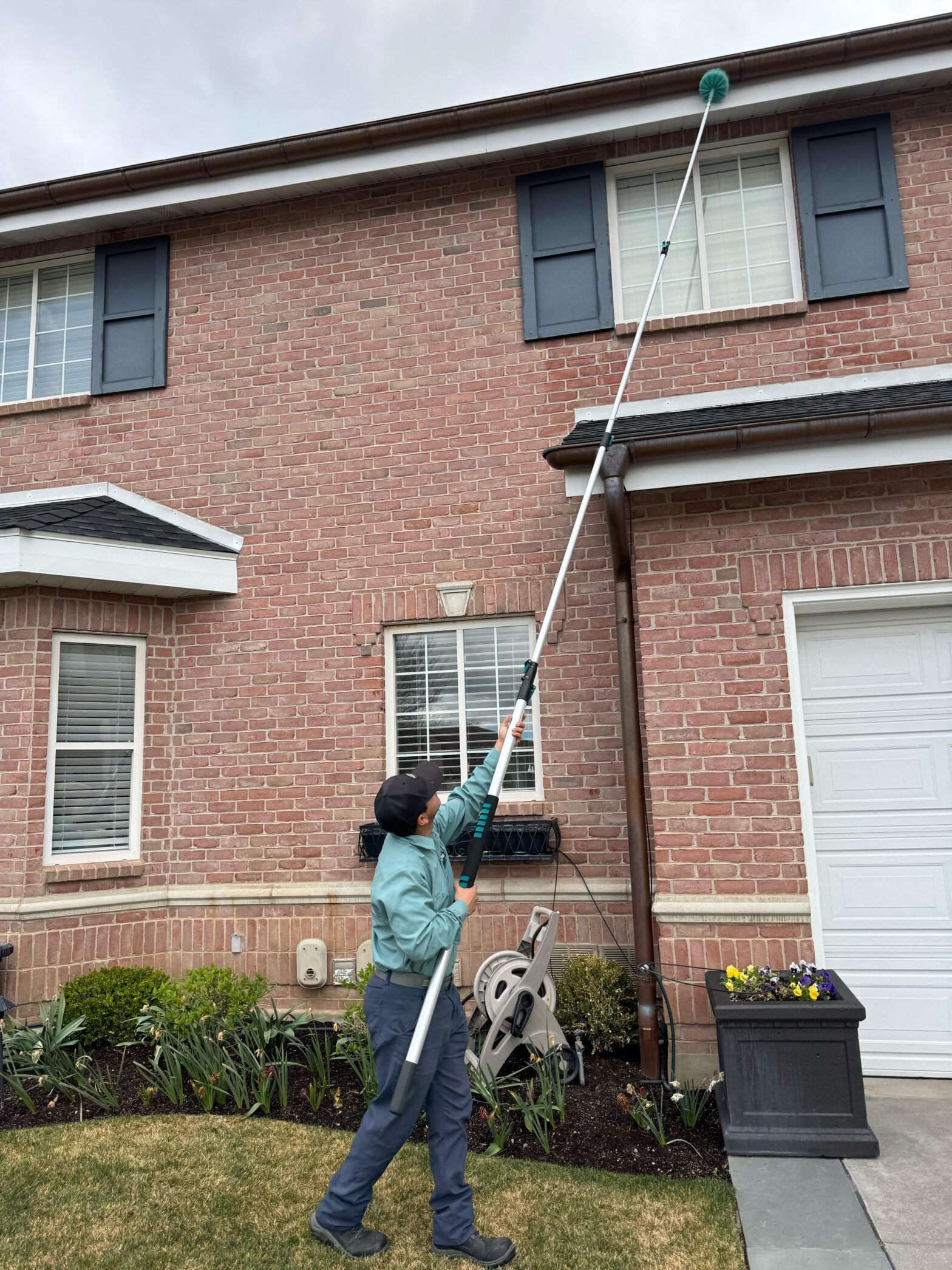
Utah families want pest problems handled carefully, especially in homes with children, pets, gardens, and active living spaces. Ants, spiders, rodents, mosquitoes, mice, rats, cockroaches, wasps, bed bugs, and crawling pests can create stress when they move near kitchens, bedrooms, patios, garages, or storage areas. At the same time, the treatment plan should feel responsible, precise, and suited to the household.
Eco-friendly pest control is not about weak service or guesswork. It is about using inspection, identification, targeted placement, prevention, and follow-up to reduce pest pressure while limiting unnecessary disruption. The right plan looks at where pests are active, why they are there, and which steps can protect the home long-term.
Inspection Guides Safer Pest Decisions
A safer service plan begins with inspection. Pests often leave clues before activity becomes obvious, but those clues need to be read correctly. Ant trails may point to food, water, or exterior nesting. Spider activity may signal insects near lights, vegetation, or storage. Rodents may use gaps around garages, crawl spaces, utility lines, or roof edges. Mosquitoes may develop in shaded, moisture-prone areas.
A professional inspection may review:
- Entry points around doors, windows, pipes, vents, and foundations
- Moisture near sinks, bathrooms, irrigation, gutters, and shaded soil
- Food sources in kitchens, pet areas, pantries, trash zones, and garages
- Outdoor conditions that support mosquitoes, spiders, ants, or rodents
- Signs of cockroaches, wasps, bed bugs, mice, rats, or crawling pests
This careful first step helps avoid treating areas that do not need attention. It also helps match the method to the pest. A rodent problem does not require the same plan as mosquitoes. Ants do not behave like bed bugs. Identification keeps service focused and more family-conscious.
Targeted Treatment Supports Family Spaces
Eco-friendly service depends on placement. Instead of treating broadly without a clear reason, professionals focus on the routes pests use and the conditions that support them. This may include exterior barriers, crack-and-crevice work, bait placement, mosquito resting areas, rodent access review, or targeted applications around active pest zones.
This matters in family homes because daily-use areas vary. Children may play near floors, patios, or yards. Pets may rest near doors, bedding, crates, or shaded turf. Kitchens and bathrooms need extra care because they are high-touch spaces. A well-planned service considers these routines before treatment begins.
Families also benefit from clear communication. Technicians can explain which areas were inspected, what pest activity was found, where treatment was placed, and whether any short-term precautions are needed. For households concerned about children and animals, this discussion of family pest safety provides helpful context on how careful planning supports safer service.
Prevention Reduces Repeat Interior Pressure
The most effective eco-friendly option is often prevention. When the conditions attracting pests are reduced, homes may need fewer urgent interior responses. Prevention does not mean ignoring treatment. It means combining treatment with practical recommendations that lower the chance of recurring activity.
Prevention may focus on:
- Sealing small gaps where ants, spiders, mice, rats, and other pests enter
- Reducing moisture that attracts cockroaches, mosquitoes, ants, and rodents
- Managing trash, pantry storage, pet food, and outdoor food residue
- Trimming vegetation away from walls, windows, patios, and rooflines
- Monitoring seasonal activity before pests spread into living spaces
Utah’s seasons can change pest behavior. Warm weather may bring more mosquitoes and spiders. Cooler months may increase rodent pressure. Irrigation, snowmelt, dry heat, and shaded landscaping can all shift activity around the property. A prevention-focused plan adapts to these changes instead of relying on a one-time reaction.
Preparation Makes Service More Effective
Home preparation helps technicians inspect and treat more accurately. This does not require homeowners to solve the pest problem themselves. It simply makes the service visit more efficient and allows the technician to access the areas where pests are most likely hiding, entering, or feeding.
Useful preparation steps may include:
- Clearing access under sinks, near baseboards, and around utility areas
- Noting where pests were seen, including time, room, and weather conditions
- Securing pets as instructed before inspection or treatment begins
- Moving stored items away from garage walls, crawl-space access, or entry points
- Sharing concerns about bedrooms, kitchens, pet areas, or outdoor activity zones
Proper preparation can be different for ants, rodents, mosquitoes, cockroaches, bed bugs, spiders, or wasps. Guidance on home treatment prep helps explain why access, observations, and communication matter before the visit.
Eco-friendly pest control works best when the technician and homeowner share useful information. The professional brings pest knowledge, product judgment, and inspection experience. The homeowner provides recent sightings, household concerns, and access to key areas. Together, those details help create a plan that is safer, more precise, and more dependable.
Choose Careful Protection For Your Home
Utah families deserve pest service that is thoughtful, targeted, and built around real household needs. For professional pest control for ants, spiders, rodents, mosquitoes, mice, rats, cockroaches, wasps, bed bugs, crawling pests, and long-term prevention, contact EcoLine Pest Control.
