 Reviews

How To Spot Structural Entry Points For Pests
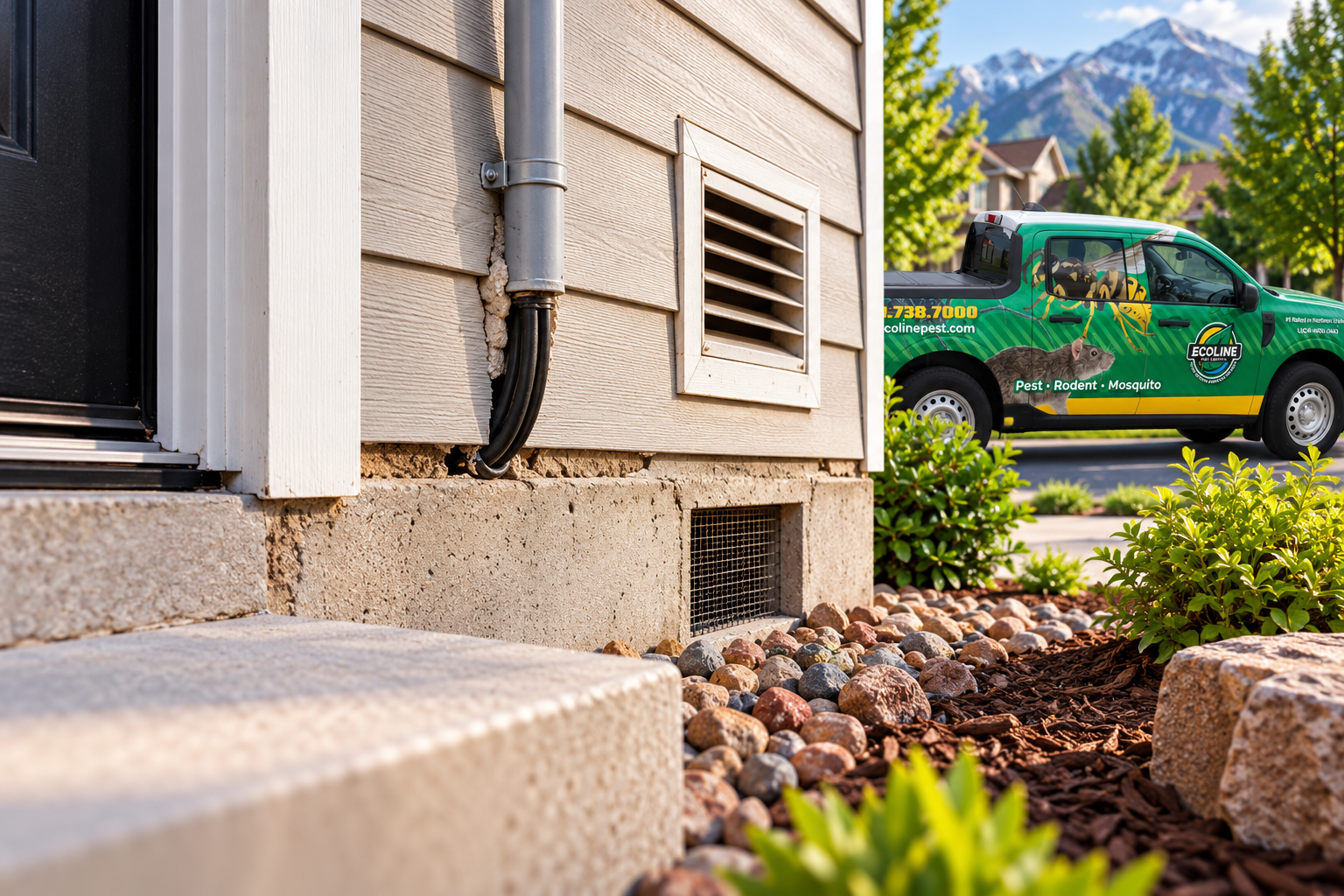
Small structural gaps can give pests reliable access to kitchens, basements, garages, attics, wall voids, and storage areas. In Northern Utah, changing temperatures, moisture, landscaping, and seasonal movement can make those weak points more important at different times of year. Ants, spiders, mice, rats, mosquitoes, and crawling pests may all use openings or nearby conditions differently, which is why entry-point inspection should be part of a broader pest control plan.
Our team looks for the connection between visible pest activity and the structure itself. A gap beneath a door, an opening around a utility line, or a loose vent can matter more when food, water, shelter, or nesting areas are available nearby. Finding those relationships helps us determine which openings are active and which areas need closer attention.
Start With Doors, Windows, And Utility Openings
Entry points are often easiest to spot around places where the building envelope is interrupted. Exterior doors, window frames, vents, pipes, cables, and service lines can develop gaps through wear, settling, repairs, or weather exposure. Even small openings may be useful to pests when they lead directly into protected areas.
Our guide to professional pest help explains why visible activity is only part of the problem. Hidden routes, nesting areas, moisture, and untreated access points can allow pests to keep returning even after surface activity declines.
Areas worth checking include:
- Looking beneath exterior doors for worn sweeps or visible light
- Checking window frames for loose trim, gaps, or damaged seals
- Inspecting utility penetrations where pipes, cables, or wires enter walls
- Reviewing attic, crawl-space, and foundation vents for loose screening
- Checking garage-door edges and thresholds for openings
- Noting cracks where different exterior materials meet
These observations help identify likely routes, but professional inspection is useful when the source is not obvious, or activity keeps returning. Openings near moisture, food, or shelter deserve extra attention because they may support repeated movement rather than a one-time intrusion.
Follow Pest Evidence Back Toward Structural Weaknesses
A visible gap does not automatically mean pests are using it. Our technicians compare openings with signs such as droppings, gnaw marks, ant trails, webbing, nesting material, insect debris, and repeated sightings. That evidence helps separate active entry routes from harmless cosmetic cracks.
Mice and rats may leave droppings or chewing near garage edges, utility openings, or stored materials. Ants can follow narrow cracks toward food or moisture. Spiders may build webs near insect-rich entry areas. Crawling pests can move along baseboards, thresholds, and protected edges where structural gaps meet interior spaces.
A focused inspection may include:
- Mapping fresh droppings or gnaw marks near suspected rodent routes
- Tracing ant trails back toward wall gaps or exterior openings
- Checking webbing near windows, doors, vents, and light sources
- Looking for insect activity around damp utility or basement areas
- Comparing interior signs with exterior cracks and structural transitions
- Rechecking areas where activity has returned after previous treatment
This evidence-based approach keeps pest control focused on the areas that matter most instead of treating every crack the same way.
Prepare Access So Inspection And Treatment Can Be More Precise
Structural entry points are easier to evaluate when technicians can reach baseboards, cabinets, walls, garages, and exterior foundation areas. Clutter, stored items, furniture, and pet supplies can block the exact places where pests hide or travel. Preparing those spaces can make inspection more efficient and improve treatment accuracy.
Our article on treatment preparation explains why clearing target areas, securing food and pet items, and sharing recent pest sightings can help technicians focus on priority zones.
Helpful preparation steps include:
- Moving small items away from walls and baseboards
- Clearing access under sinks and inside affected cabinets
- Storing exposed food and pet supplies in sealed containers
- Moving outdoor objects away from foundation edges when possible
- Sharing where and when pest activity was last seen
- Mentioning recent plumbing, renovation, or moisture issues
A professional inspection can then connect access points with the environmental conditions that support repeat activity. Moisture, food, shelter, and seasonal changes may all influence how pests use the structure.
Long-term prevention is stronger when entry-point correction, monitoring, sanitation guidance, and targeted treatment work together. One-time sealing may help, but it may not address pests that are already inside or another route nearby. Our team uses inspection findings to decide which gaps deserve attention and whether follow-up is needed as conditions change.
The location of an opening can matter as much as its size. A small gap beside plumbing or a garage edge may be more active than a larger crack in a dry, exposed area.
Structural weak points also change over time. Weatherstripping wears out, caulking separates, vents loosen, utility work creates new penetrations, and landscaping can block visibility around foundations. Regular inspection helps us catch those changes before they become established pest routes.
Close The Routes Before Pests Settle In
If you are seeing recurring pests or suspect hidden access around your property, contact EcoLine Pest Control for professional pest control, entry-point inspection, targeted treatment, and long-term prevention based on current conditions.
