 Reviews

What Professionals Look For in Fall Pest Inspections
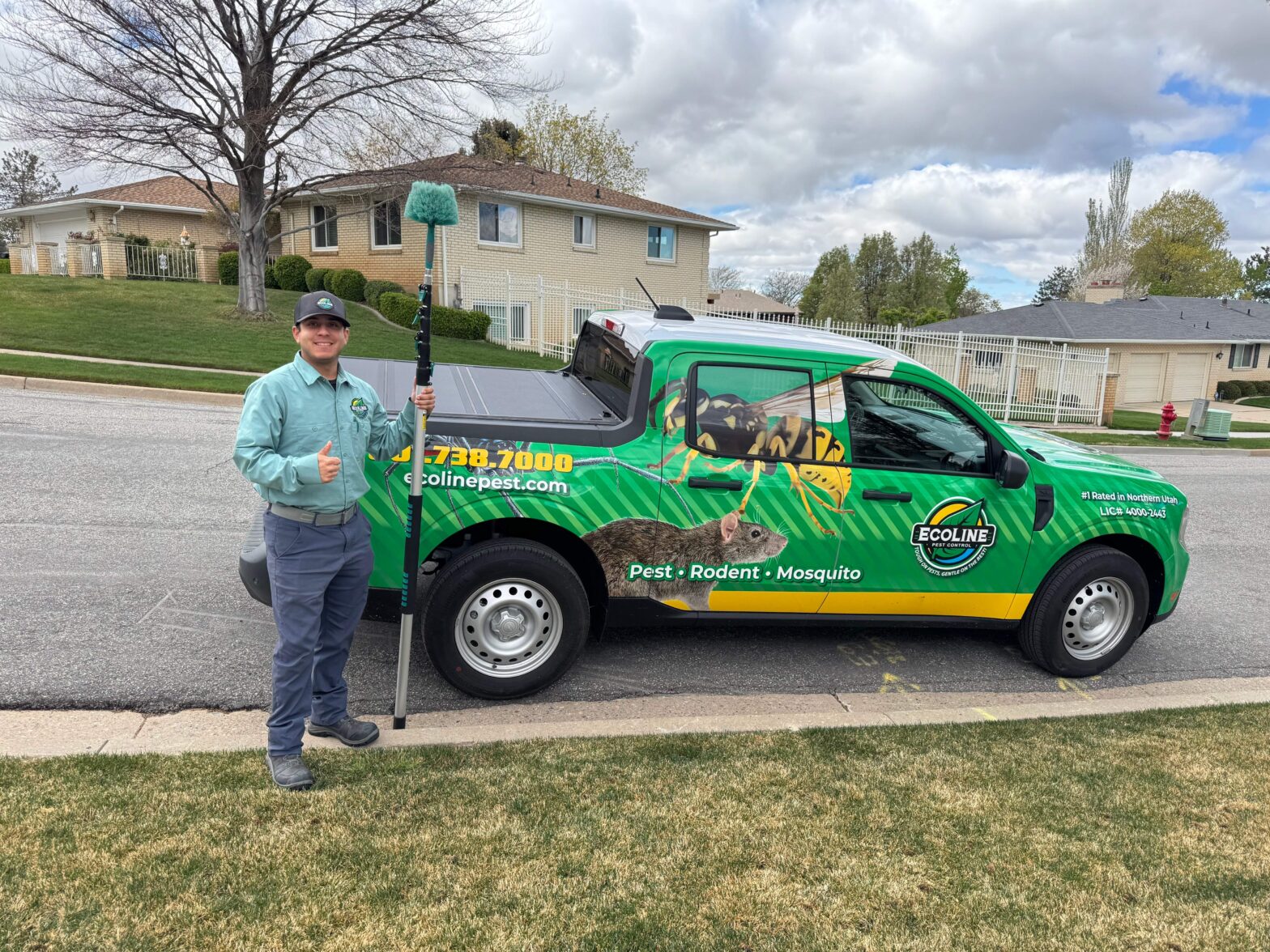
Fall changes how pests use a property. As temperatures drop, insects and rodents may shift toward protected areas, moisture sources, food, and structural gaps that offer shelter. A seasonal pest inspection is designed to find those developing conditions before activity becomes harder to control.
Our team looks beyond the pest that happens to be visible during the visit. We inspect how pests are entering, where they may be nesting, what resources are supporting them, and which parts of the property are most likely to create repeat problems. That broader view is especially important in fall, when mice, rats, ants, spiders, wasps, and crawling pests can change their behavior as outdoor conditions become less favorable.
Entry Points and Hidden Activity Come First
A fall inspection begins with the structure itself. Gaps around foundations, doors, windows, utility penetrations, vents, rooflines, and other transitions can create access for insects and rodents. Inside, we pay close attention to kitchens, bathrooms, basements, attics, storage areas, baseboards, and less-visible spaces where pests can travel or remain undisturbed.
We also look for evidence rather than relying only on live sightings. Droppings, gnaw marks, webs, nesting material, insect debris, and movement patterns can reveal activity that is not obvious at first glance. Preparing the home so these areas are accessible can make a professional evaluation more efficient. Our guide to treatment preparation explains why clear access helps technicians inspect and treat target areas more precisely.
During this stage, our team may check for:
- Cracks, gaps, and openings around the exterior structure
- Droppings, gnawing, or rub marks that suggest rodent activity
- Webs and spider activity in quiet or low-traffic areas
- Ant trails near food, moisture, or foundation openings
- Wasp activity around eaves, porches, and sheltered exterior spaces
- Crawling pests such as silverfish, beetles, or crickets in damp areas
Moisture, Food, and Shelter Reveal Why Pests Stay
A pest inspection is not complete without evaluating the conditions that make a property attractive. Pests rarely remain in one place without access to something useful. Moisture, food residue, standing water, clutter, dense landscaping, and protected storage can all support activity.
Our team looks for these contributing factors because treating visible pests without addressing the surrounding conditions can lead to recurring problems. In fall, this becomes especially important as mice and rats begin seeking more stable shelter, while ants and other insects continue following available food and moisture.
We commonly evaluate:
- Moisture around sinks, plumbing, basements, and exterior drainage areas
- Food sources in kitchens, pantries, pet-feeding areas, and storage spaces
- Clutter that creates undisturbed shelter for spiders or rodents
- Vegetation and landscaping that touch or crowd the structure
- Standing water or damp zones that can support mosquitoes and other pests
- Storage areas where cardboard, fabric, or debris may provide nesting material
These findings help us determine whether the problem is isolated or whether environmental conditions are encouraging pests to return. A well-planned inspection connects the evidence to the cause instead of treating each sighting as an unrelated event.
Seasonal Patterns Shape the Prevention Plan
Fall pest pressure is different from summer pest pressure, so our recommendations should reflect what is happening now and what is likely to happen next. Rodents may move indoors as temperatures cool. Ants can continue using established routes where food and water remain available. Spiders may follow insect prey into sheltered spaces, while wasps and other occasional invaders may still be active around the exterior.
A professional inspection process helps us organize these observations into a property-specific plan. That plan may include targeted treatment, entry-point correction, sanitation recommendations, monitoring, and follow-up based on what the inspection actually finds.
Our fall recommendations may include:
- Prioritizing rodent entry points before indoor nesting becomes established
- Treating active insect zones instead of applying products indiscriminately
- Reducing moisture and shelter conditions that support repeat activity
- Monitoring previously active areas for new signs between visits
- Removing webs, nesting materials, or other evidence where appropriate
- Adjusting prevention strategies as temperatures and pest behavior change
This is where a professional pest inspection becomes more valuable than a quick visual check. Our team can compare multiple signs, identify the pest involved, and determine whether the activity is current, developing, or part of a recurring pattern. That level of detail helps avoid one-time reactions that leave the underlying source untouched.
Fall is also a useful checkpoint for properties with a history of recurring pest problems. Even when activity appears low, earlier entry points, nesting areas, or moisture conditions may still deserve attention. By reviewing those areas before winter, we can build a more focused long-term prevention plan and reduce the chance of pests becoming established in harder-to-reach spaces.
Make Fall Inspection Count
Early identification can make treatment more precise and give our technicians a stronger basis for protecting the property through winter.
If you want a clearer picture of what may be attracting or sheltering pests around your property, contact EcoLine Pest Control for a professional fall inspection and targeted recommendations based on current conditions.
