 Reviews

Why DIY Ant Baits Fail In Northern Utah Houses
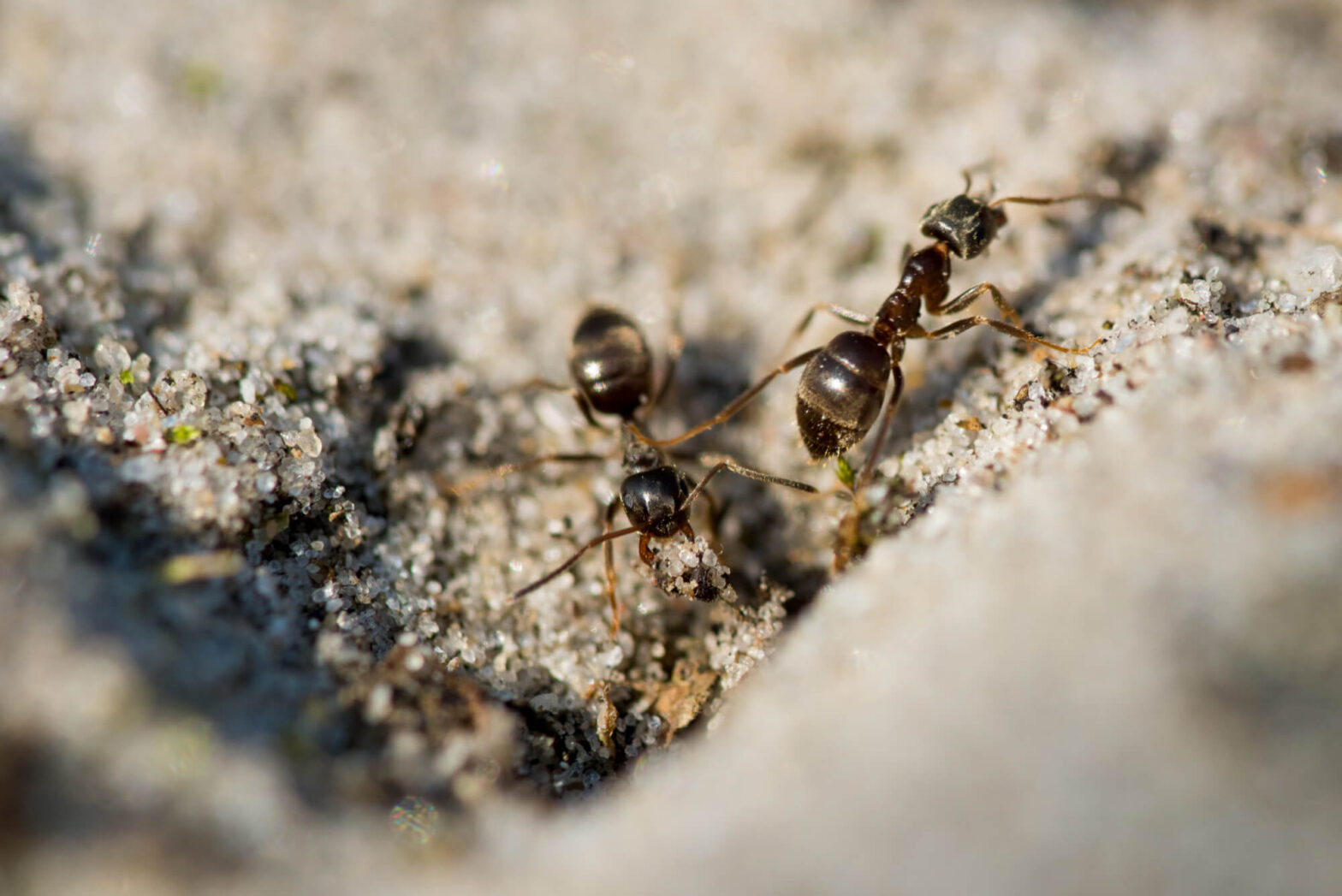
Ant bait can seem like a practical response when a trail appears near a sink, pantry, baseboard, or pet bowl. The difficulty is that visible workers represent only a small part of the colony. If the bait does not match the species, feeding preference, location, or stage of activity, the ants may ignore it or continue nesting elsewhere.
Northern Utah homes also face changing seasonal pressure. Moisture, irrigation, temperature shifts, and structural gaps can move ants between outdoor colonies and indoor food sources. Effective ant control requires more than placing one product beside a trail. It depends on identifying the colony, mapping travel routes, and understanding why the ants entered.
Why the Wrong Bait May Be Ignored
Ant colonies do not always seek the same food. Their preferences can shift between sugar, protein, grease, and moisture depending on the species, season, and needs of the colony. A bait that attracts one group may have little effect on another.
Common reasons bait receives limited attention include:
- Food preferences changing as the colony develops.
- Competing crumbs, grease, pet food, or moisture nearby.
- Placement that misses the active trail or entry route.
- Bait drying out, becoming contaminated, or losing appeal.
- The wrong formulation being used for the ant species involved.
Professional ant control begins with identification. Knowing which ants are present helps determine where they are likely nesting, what attracts them, and which treatment method is appropriate.
Kitchen Conditions Can Compete With Bait
Kitchens offer several resources that may be more attractive than a small bait station. Crumbs beneath appliances, residue around containers, moisture near plumbing, and food stored in accessible packaging can keep workers returning.
This discussion of kitchen ant attractants explains how warming temperatures, moisture, food residue, and entry gaps can draw ants indoors during periods of increased activity.
Even a tidy kitchen can have hidden attractants behind cabinets, beneath refrigerators, or around plumbing penetrations. If those conditions remain, a colony may continue sending workers inside. A professional inspection connects the indoor trail to exterior movement, moisture, and nesting pressure instead of treating the counter as the entire problem.
Colonies May Be Larger Than the Visible Trail
A few ants crossing a surface may lead back to a colony beneath soil, inside a wall void, under a slab, or near the foundation. Some colonies also have several nesting areas or satellite groups, making one visible trail an incomplete picture.
Signs of a broader problem may include:
- Trails appear in several rooms or on different levels.
- Activity returns soon after bait consumption slows.
- Ants are emerging around outlets, plumbing, trim, or foundation joints.
- Repeated movement near kitchens, bathrooms, and utility areas.
- New trails form after the original route is disturbed.
Killing a portion of the workers may reduce sightings temporarily without affecting queens or protected nesting areas. Inspection-led treatment is more likely to address the colony structure and the routes supporting repeat activity.
Surface Responses Often Miss Entry Routes
Ants can enter through narrow cracks around foundations, utility lines, windows, doors, siding, and plumbing. Once a route is established, additional workers may follow chemical trails even after visible ants have been removed.
The reasons professional treatment helps extend beyond stronger products. Accurate identification, targeted placement, colony-focused treatment, and follow-up monitoring help address the conditions that one-time measures often miss.
A thorough assessment may include:
- Tracing trails toward likely exterior nesting zones.
- Checking moisture around kitchens, bathrooms, and utility areas.
- Inspecting foundation seams, thresholds, and wall penetrations.
- Evaluating landscaping or irrigation near the structure.
- Monitoring treated areas for renewed movement.
This property-wide view helps determine whether the ants are nesting indoors, entering from outside, or using several connected routes.
Long-Term Ant Control Requires Follow-Up
Ant activity can shift after treatment. Workers may move to another trail, seasonal conditions may create new pressure, or a nearby colony may test the same openings later. That is why long-term ant control often includes monitoring and adjustments rather than a single application.
A professional plan may combine interior inspection, exterior perimeter assessment, nest-source identification, targeted treatment, entry-point guidance, and scheduled follow-up. The exact approach should reflect the ant species, infestation size, property layout, and time of year.
Northern Utah’s temperature changes and irrigated landscapes can keep ant pressure active around foundations, patios, kitchens, and utility areas. A plan that follows those patterns is more reliable than repeatedly replacing bait without knowing whether the colony has been reached.
The objective is not to use more treatment than necessary. It is to place the right material in the right areas, reduce competing attractants, and confirm that activity continues to decline. Professional ant control provides that level of precision while avoiding the uncertainty of treating visible workers alone.
Stop the Trail at Its Source
When an ant bait produces only short-term improvement, the colony or entry route may still be active. Contact EcoLine Pest Control for professional ant control focused on inspection, targeted treatment, follow-up, and long-term prevention.
