 Reviews

Best Practices To Prevent Ant Invasions in Your Home As Summer Ends
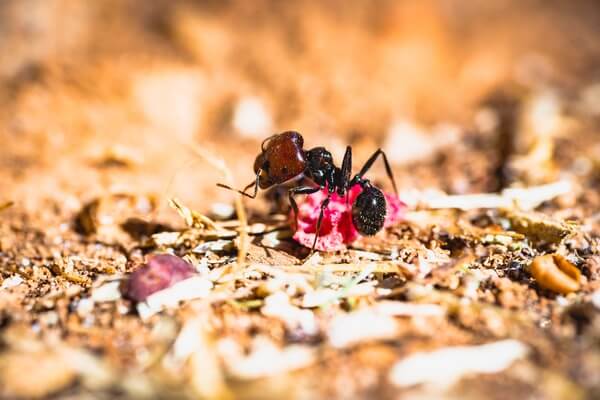
Late summer can bring persistent ant activity around Utah homes as heat, irrigation, food, and moisture continue to support colonies. Kitchens, bathrooms, patios, garages, and foundation edges may all become active when ants are searching for dependable resources before seasonal conditions begin to shift.
Effective ant control starts by understanding why the ants are there. Professionals trace activity back to entry points, nesting areas, moisture sources, and food access instead of treating only the visible trail. That broader approach matters because ants often travel through wall voids, plumbing gaps, pavement seams, and landscaped edges long before homeowners recognize how established the colony has become.
Reduce Food And Moisture That Keep Ant Trails Active
Ants are highly efficient foragers. Once workers find a dependable food or water source, they can reinforce trails that bring more ants to the same area. Late summer is a good time to review indoor and outdoor conditions that may be helping those trails persist.
Important areas to check include:
- Crumbs, grease, and spills along counters, floors, and appliance edges
- Pet food or water left accessible for long periods
- Leaks, condensation, or damp cabinet areas near plumbing
- Sugary residue around trash, recycling, or outdoor dining spaces
- Irrigated mulch, potted plants, and moist soil near foundations
- Pantry products stored in damaged or loosely closed packaging
Argentine ants, odorous house ants, pavement ants, and pharaoh ants can all use moisture-rich or food-rich areas differently, which is why identification matters. Several species commonly nest near plumbing, potted plants, sidewalks, wall voids, and warm, humid spaces.
When recurring activity continues despite routine cleaning, professional pest help becomes especially valuable because the colony source may be outside the room where the ants are seen.
Seal The Routes Ants Use To Enter The Home
Late-summer ant problems often continue because small structural gaps remain open. Ants can follow tiny cracks around doors, windows, pipes, trim, foundations, and utility penetrations while remaining hidden for most of the route.
A professional inspection may focus on:
- Door thresholds and weatherstripping with visible gaps
- Window frames, siding transitions, and exterior trim
- Plumbing and utility penetrations around kitchens and bathrooms
- Foundation cracks and pavement seams near active trails
- Garage edges and storage areas connected to exterior walls
- Vegetation or mulch that creates protected contact with the structure
Different species can use these routes in different ways. Pavement ants may nest beneath floors or along sidewalk cracks, while odorous house ants can nest under groundcover, bark, or inside suitable voids. Pharaoh ants may favor inaccessible warm, humid areas indoors.
This is why surface spraying can be misleading. Killing the ants moving across a counter does not necessarily affect the nest, and the same trail may return if the colony and access route remain intact.
Use Professional Ant Control Before The Colony Spreads
Late summer is a useful time to act before seasonal changes alter where ants travel. As temperatures shift, some colonies may move closer to sheltered parts of the home, while irrigation and warm indoor areas can continue supporting activity.
A professional plan may include:
- Identifying the ant species before selecting treatment
- Following trails back toward likely nesting or entry zones
- Using targeted baits or applications where ants are actually active
- Reinforcing exterior barriers around high-pressure areas
- Reviewing moisture and sanitation conditions that support colonies
- Monitoring treated areas to confirm that activity is declining
The difference between a temporary response and a durable plan often comes down to investigation. Inspection first, targeted treatment, long-term prevention, and adjustments based on real property conditions provide a clearer path than reacting to isolated sightings.
The same principle is reinforced in professional pest strategies, where ant control focuses on trails, colony pressure, entry points, and moisture rather than only visible insects.
Follow-up matters because ant populations can shift routes after treatment. A trail that disappears from one counter may reappear near another moisture source if the underlying colony remains active. Monitoring gives technicians a way to see whether pressure is actually decreasing or simply relocating.
Homeowners should also avoid assuming that every ant sighting requires the same response. A few isolated ants may reflect temporary foraging, while repeated trails, multiple indoor locations, or fresh activity after treatment can indicate a more established colony. Professional inspection helps separate those situations and keeps treatment proportional to the problem.
Long-term prevention depends on combining food control, moisture reduction, entry-point correction, exterior treatment, and monitoring. The strongest results come from making the property less rewarding to ants while directly targeting the colony pressure that is already present.
As summer ends, that coordinated approach becomes especially useful. It helps reduce current activity while preparing the home for the seasonal shift ahead, when pests may begin seeking more stable indoor conditions.
Keep Ant Trails From Following You Into Fall
If ants keep appearing around kitchens, bathrooms, patios, or foundation edges, contact EcoLine Pest Control for professional ant control focused on inspection, targeted treatment, entry-point review, and long-term prevention.
