 Reviews

How Moisture Issues Invite Spiders And Insects
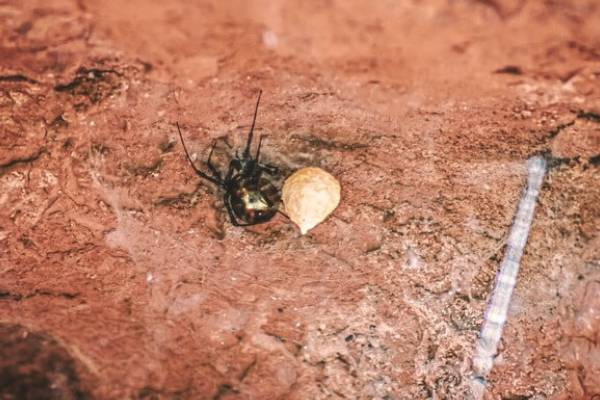
Moisture problems can turn ordinary parts of a home into attractive environments for insects and the spiders that follow them. Leaking pipes, condensation, poor drainage, damp basements, and irrigation near the foundation can provide water, shelter, and stable conditions for pest activity.
Spiders do not usually gather because of moisture alone. They move toward areas where insects are already feeding, hiding, or breeding. Effective pest control, therefore, looks beyond visible webs and considers how water, entry points, clutter, lighting, and outdoor conditions work together.
Damp Areas Support Insects That Spiders Hunt
Many insects are more likely to remain where moisture is dependable. Cockroaches, earwigs, crickets, ants, and other crawling pests may gather near plumbing, drains, utility rooms, basements, crawl spaces, and shaded exterior zones.
Conditions that can increase activity include:
- Leaking pipes beneath sinks, appliances, or bathroom fixtures.
- Condensation around air-conditioning systems and utility lines.
- Standing water in floor drains, containers, gutters, or low yard areas.
- Damp soil created by irrigation overspray near the foundation.
- Poorly ventilated storage spaces that remain humid for long periods.
When insects become established, spiders gain a reliable food source. Removing webs may improve appearance briefly, but it does not correct the damp conditions or prey activity that keep drawing spiders back.
Moisture also changes how long pests can remain in an area. A dry corner may offer temporary shelter, while a consistently damp void can support repeated feeding and movement. That distinction helps explain why sightings often cluster in the same rooms or along the same exterior wall.
Entry Gaps Connect Moisture Problems to Indoor Activity
Moisture-rich areas often sit close to structural openings. Gaps around doors, windows, utility lines, foundations, vents, and garage seals can give insects and spiders access to sheltered indoor spaces.
A review of common spider entry points shows how door seals, foundation cracks, attic vents, crawl spaces, and landscaping can create connected pathways into a home. When those routes lead toward damp basements, bathrooms, utility areas, or garages, indoor activity can become more persistent.
Professional inspection helps determine whether spiders are entering directly, following prey indoors, or settling near a moisture source already supporting insect populations.
Hidden Moisture Can Let Pest Pressure Build Quietly
Not every moisture problem produces a visible puddle. Slow plumbing leaks, damp wall voids, condensation behind appliances, and drainage trouble near foundations may remain unnoticed while pests use those areas.
Warning signs may include:
- Recurring webs near plumbing, floor drains, or basement corners.
- Cockroach, ant, earwig, or cricket activity around damp rooms.
- Musty odors near cabinets, storage areas, or crawl spaces.
- Water stains, peeling finishes, or softened materials near pest sightings.
- Increased insect activity after irrigation, rainfall, or plumbing problems.
These clues do not automatically identify the source, but patterns matter. Pest control is more effective when moisture findings, insect evidence, and entry routes are evaluated together rather than treated as unrelated concerns.
Timing Matters When Moisture and Insects Increase
Seasonal changes can intensify the relationship between moisture, insects, and spiders. Spring rain, summer irrigation, warmer temperatures, and longer daylight hours can increase insect movement around landscaping, exterior lights, and structural edges.
This explanation of spider control timing describes why early attention can help reduce webbing, egg-laying, prey activity, and indoor movement before populations become established.
A professional assessment may include:
- Inspecting areas where moisture and insect pressure overlap.
- Identifying webs, egg sacs, hiding places, and active travel routes.
- Checking exterior lighting, landscaping, and drainage near the structure.
- Targeting insects that provide food for spiders.
- Monitoring treated areas as weather and moisture conditions change.
A one-time surface response may miss the larger pattern, especially when water sources and access points remain active.
Long-Term Pest Control Requires a Whole-Property View
Reducing moisture-related pest activity involves more than focusing on one sink, web, or damp corner. The strongest plan considers interior plumbing, exterior drainage, irrigation, foundation gaps, storage conditions, lighting, and landscaping as parts of the same property.
Professional pest control can help distinguish isolated sightings from recurring activity supported by hidden moisture. Technicians may inspect basements, crawl spaces, garages, attics, utility areas, kitchens, bathrooms, eaves, patios, and foundation edges to locate likely pressure points.
A complete strategy may include:
- Identifying the insects attracting spiders to specific areas.
- Treating active hiding places and travel zones with targeted methods.
- Removing webs, egg sacs, and nesting material where appropriate.
- Recommending attention to leaks, drainage, or structural openings.
- Scheduling follow-up checks when seasonal pressure may continue.
The goal is not to remove every spider outdoors. It is to reduce indoor activity by addressing the prey, shelter, access, and moisture that support it. When spiders and insects keep returning near damp areas, a property-wide inspection can provide the clarity needed for more efficient, long-term results.
Dry Out the Conditions Pests Depend On
Persistent moisture can support insects and create reliable hunting areas for spiders. Contact EcoLine Pest Control for professional pest control focused on inspection, targeted treatment, and long-term prevention.
