 Reviews


The Risks Of DIY Rodent Traps And Poor Results

A mouse caught in a trap can make a rodent problem seem solved, but one capture does not always mean the activity has ended. Mice and rats may be using several travel routes, nesting in hidden areas, or entering through structural gaps that remain open after a trap is removed. When those conditions are overlooked, rodent activity can return quickly.
Our team approaches pest control by looking at the entire pattern of activity rather than focusing only on a single rodent. Droppings, gnaw marks, nesting material, grease marks, damaged packaging, and noises can all help reveal where rodents are traveling and why they are staying. Professional control combines inspection, strategic trapping, entry-point review, sanitation awareness, and follow-up so the source is addressed along with the visible problem.
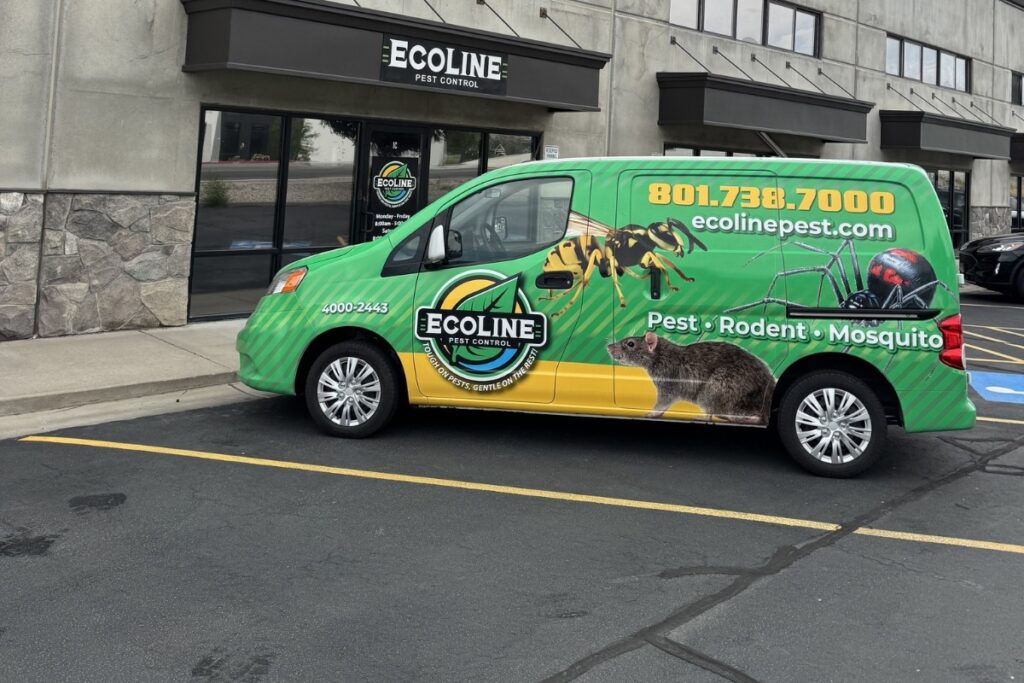
DIY Traps Often Miss Hidden Rodent Activity
Store-bought traps may catch an individual mouse or rat, but poor placement can leave active travel routes untouched. Rodents usually move along walls, edges, garages, storage areas, utility lines, and other protected pathways. A trap placed where activity is not concentrated may remain untouched even while rodents continue moving elsewhere.
Our guide to mouse nesting signs explains how droppings, gnaw marks, shredded material, grease smudges, and concealed nesting areas can reveal a broader indoor problem. These signs help our technicians decide where monitoring and control tools should be placed.
Common reasons DIY trapping underperforms include:
- Placing traps away from active rodent travel routes
- Using too few devices for the size of the infestation
- Ignoring attic, crawl-space, garage, or wall-void activity
- Failing to distinguish fresh signs from older evidence
- Leaving structural entry points open after a capture
- Assuming one caught rodent means the infestation is gone
Professional placement is based on evidence, not guesswork. That makes it easier to focus effort where rodents are actually moving. It also helps our team compare activity from one visit to the next, which is useful when mice or rats begin using a new route after conditions around the property change.
Poor Results Often Come From Treating Symptoms Instead Of Sources
Rodent problems are rarely caused by one factor. Mice and rats are drawn to food, shelter, warmth, water, and accessible entry points. A trap may remove one animal, but it does not correct the conditions that allowed rodents to get inside in the first place.
Our technicians inspect garages, rooflines, vents, utility penetrations, doors, storage areas, and other vulnerable locations. We also look for food access, clutter, moisture, and nesting materials that may support repeat activity. This broader view helps explain why some infestations continue despite repeated trapping.
A more complete rodent-control plan may involve:
- Mapping droppings, gnawing, and travel routes before placing traps
- Checking doors, vents, rooflines, and utility openings for access
- Reviewing food storage and sanitation conditions around active areas
- Identifying nesting zones in walls, attics, or storage spaces
- Recommending exclusion where structural gaps support repeat entry
- Monitoring treated areas for fresh signs after the initial service
The goal is not simply to catch rodents faster. It is to understand why they are present and what will reduce the chance of new activity replacing the rodents that were removed.
Professional Pest Control Reduces Trial And Error
DIY rodent control can become a cycle of moving traps, changing bait, and reacting to each new sighting without knowing whether the overall population is declining. Professional pest control reduces that uncertainty by building a plan around pest behavior, entry points, movement patterns, and follow-up findings.
Our article on professional pest control explains why inspection and targeted planning usually outperform repeated quick fixes. For mice and rats, professional service may include strategic trapping, baiting where appropriate, exclusion guidance, sanitation recommendations, and continued monitoring.
Key advantages of a professional approach include:
- Identifying the rodent species before selecting control methods
- Placing traps or stations along confirmed movement routes
- Adjusting the strategy when activity shifts to another area
- Addressing entry points that allow rodents to return
- Monitoring results instead of relying on isolated captures
- Following up when signs continue after the initial treatment
Rodents are adaptable, and poor results often happen when control methods do not change as the infestation changes. One-time trap placement may work briefly, but activity can shift into walls, attics, basements, or garages if the surrounding conditions remain favorable.
There are also practical risks in assuming a DIY trap has solved the problem. Rodents can damage wiring, contaminate food-storage areas, disturb insulation, and leave waste in concealed spaces. If trapping is incomplete, those risks may continue even when sightings become less frequent.
Our team uses a long-term approach because successful rodent control depends on more than removal. Inspection, exclusion, strategic control, and follow-up work together to reduce both current activity and the chance of another infestation developing through the same entry points.
Get Better Results From A Complete Rodent Plan
If traps are producing inconsistent results or rodent signs keep returning, contact EcoLine Pest Control for professional pest control focused on inspection, trapping, exclusion, monitoring, and long-term prevention.
