 Reviews

What Are Some Effective Pet-Safe Pest Control Methods for Ant Infestations
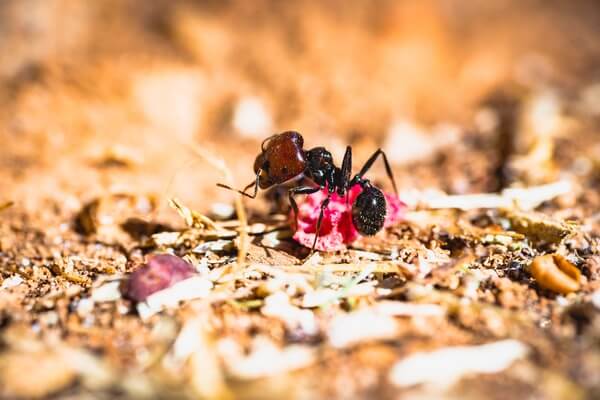
Ant infestations can quickly become a persistent issue, especially in homes where food, moisture, and shelter are readily available. For households with pets, the challenge becomes more complex. Any pest control approach must be effective while also maintaining a safe environment for animals that share the space.
Pet-safe pest control does not mean compromising results. It means applying methods that are thoughtful, targeted, and designed with both safety and effectiveness in mind. Ants are highly organized insects that rely on colonies, trails, and communication to survive. Addressing them requires more than eliminating visible ants. It involves understanding their behavior and targeting the source of the infestation.
A structured approach ensures that ant activity is reduced while maintaining a home environment that supports the well-being of pets.
Understanding Why Ants Invade Pet-Friendly Homes
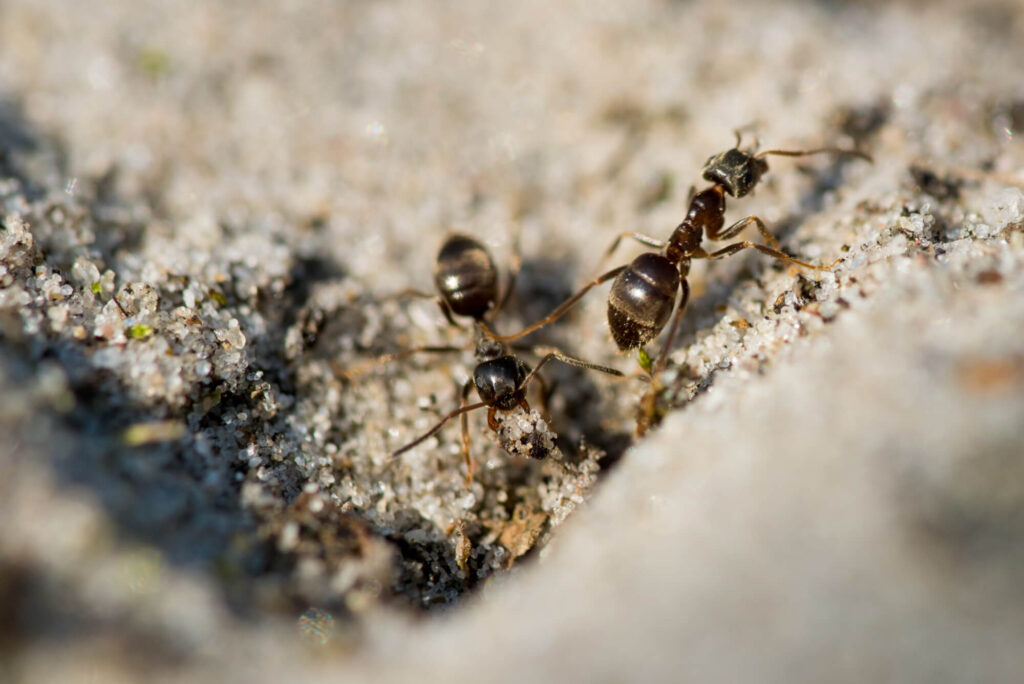
Ants are drawn to environments that provide consistent access to food and moisture. Homes with pets often have additional attractants such as food bowls, crumbs, and water sources that can unintentionally support ant activity.
Common attractants include:
- Pet food left out for extended periods
- Water bowls that create moisture around feeding areas
- Crumbs and residue on floors and surfaces
- Entry points near kitchens and storage areas
These conditions create an environment where ants can establish trails and expand their presence. Once a colony identifies a reliable food source, activity can increase rapidly.
Understanding what draws ants indoors is the first step in reducing their presence. For a closer look at seasonal patterns, our resource on kitchen ant attractants explains how environmental changes influence ant behavior.
Pet-Safe Prevention Strategies That Make a Difference
Prevention is a key part of any pest control plan, especially in homes with pets. Reducing attractants helps limit the likelihood of ants entering and establishing colonies.
Effective prevention steps include:
- Cleaning feeding areas regularly to remove food residue
- Storing pet food in sealed containers
- Wiping up spills around water bowls promptly
- Sealing gaps and cracks that allow ants to enter
These actions help create an environment that is less appealing to ants. When food and moisture are limited, ants are less likely to remain in the home.
Consistency is essential. Small changes, when maintained over time, can significantly reduce the chances of an infestation developing.
Treatment Approaches That Prioritize Safety
When ant activity persists, treatment becomes necessary. In pet-friendly homes, the focus is on methods that minimize exposure while effectively addressing the infestation.
Safe treatment approaches often involve:
- Targeted applications in areas that are not accessible to pets
- Use of products designed for controlled and precise placement
- Monitoring systems that track activity without widespread exposure
- Adjustments based on the level and location of infestation
These methods focus on reducing contact with treated areas while still addressing the source of the problem. Unlike general applications, targeted treatments limit the amount of product used and concentrate it where it is most effective.
This approach supports both safety and efficiency. It ensures that pest control efforts are focused and controlled rather than broad and unnecessary.
The Role of Seasonal Awareness in Pet-Safe Pest Control
Ant activity changes throughout the year, influenced by temperature, moisture, and environmental conditions. Seasonal awareness helps guide when and how pest control methods are applied.
Key seasonal considerations include:
- Increased activity during warmer months when ants are actively foraging
- Shifts in behavior as the weather changes, leading ants indoors
- Variations in moisture levels that affect colony development
- Timing of treatments to align with peak activity periods
Understanding these patterns allows for more effective planning. Treatments applied at the right time are more likely to disrupt ant colonies and prevent further spread.
For additional insight, our article on seasonal pet-safe methods highlights how timing and conditions influence pest control strategies.
Adapting to seasonal changes ensures that pest control remains effective throughout the year.
Why Professional Guidance Supports Better Results
Ant infestations can appear simple on the surface, but they often involve complex colony structures that are not immediately visible. Addressing only the ants that are seen does not resolve the underlying issue.
Professional evaluation provides a more complete understanding of the infestation. It identifies where ants are entering, how they are moving through the home, and where the colony is located. This information allows for a more precise and effective approach.
In pet-friendly homes, this level of detail is especially important. It ensures that treatments are applied in a way that maintains safety while achieving results.
Professional pest control focuses on long-term solutions rather than temporary fixes. It combines prevention, targeted treatment, and ongoing monitoring to manage ant activity effectively.
Addressing both the visible and hidden aspects of an infestation, it reduces the likelihood of recurrence and supports a more stable environment.
Protect your home and pets with confidence
If any ant activity continues despite preventive efforts, a more structured approach may be needed. Contact EcoLine Pest Control to ensure pest control is handled safely and effectively for both your home and your pets.
