 Reviews

How Professionals Treat Severe Flea Infestations in Summer
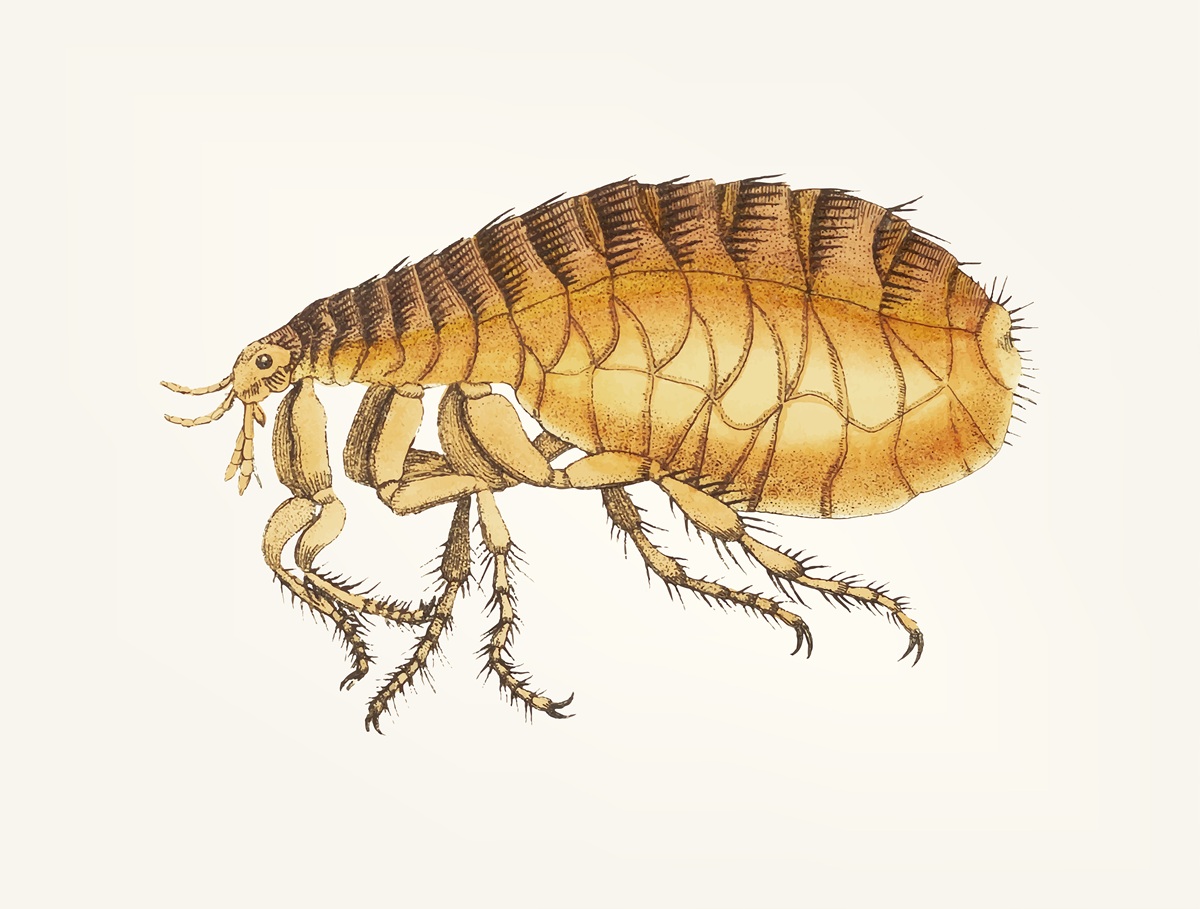
A severe flea infestation can spread quickly during summer because warmth, humidity, pet activity, and shaded outdoor areas support every stage of the flea life cycle. Adult fleas may be the most visible problem, but eggs, larvae, and pupae can remain hidden in carpets, upholstery, pet bedding, floor edges, cracks, and protected yard zones.
Professional treatment focuses on the property rather than only the animal or room first affected. Technicians inspect indoor and outdoor hotspots, assess the infestation’s extent, select targeted applications, and schedule follow-up around flea development. This coordinated approach helps interrupt reproduction while keeping treatment focused on confirmed activity.
Inspection Maps: The Full Extent Of Activity
Fleas often concentrate where pets rest, sleep, enter the home, or spend time outdoors. However, severe activity may extend into furniture, rugs, baseboards, shaded soil, kennels, patios, and other areas that are easy to overlook. Inspection helps determine whether the problem is localized or property-wide.
Professionals commonly evaluate:
- Pet bedding, crates, furniture, carpets, and floor edges
- Cracks, baseboards, and sheltered spaces beneath furniture
- Shaded lawn sections, patios, decks, and pet-use routes
- Wildlife or rodent activity that may introduce additional hosts
- Humidity, moisture, and seasonal conditions supporting development
Technicians also distinguish active fleas from older evidence and other biting pests. Accurate findings keep treatment from being applied broadly without a clear reason.
Summer Conditions Require A Wider Treatment Plan
Utah summers combine warmth, irrigation, outdoor pet activity, and shaded landscaping. These factors can increase flea development and create repeated exposure between the yard and the home. The overview of summer pest pressure explains why seasonal activity often reflects several connected property conditions rather than one isolated indoor source.
A professional plan may address carpets, upholstery, pet-resting areas, selected floor edges, shaded outdoor zones, and other confirmed hotspots. Treating the home without evaluating the yard can leave an active source close to doors or pet pathways. Treating only the landscape may allow indoor eggs and pupae to continue developing.
The strongest response coordinates property treatment with veterinarian-directed flea care. Pest technicians address the environment, while veterinary products protect the animal according to each animal’s needs.
Treatment Must Interrupt Every Life Stage
Flea eggs fall from hosts into surrounding materials. Larvae develop in protected areas, while pupae remain inside cocoons that can resist immediate treatment and emerge later in response to movement, warmth, or carbon dioxide. This life cycle explains why visible fleas may appear after an otherwise successful first service.
Professional treatment may include:
- Applying targeted products to confirmed indoor flea zones
- Treating selected outdoor areas where pets and hosts spend time
- Using life-cycle-focused materials when appropriate
- Providing vacuuming, laundering, preparation, and reentry instructions
- Scheduling reinspection and retreatment around expected emergence
The objective is not simply to kill exposed adults. Technicians build a sequence that reduces current activity and addresses newly emerging fleas before they can reproduce.
Family And Pet Safety Depend On Precise Planning
Severe infestations require effective treatment, but occupied homes also need clear safety procedures. The company’s guidance on family-safe service emphasizes professional product selection, careful placement, preparation, and communication around children and pets.
Technicians consider where animals eat, sleep, play, and travel before selecting treatment zones. They explain which belongings should be moved, how pet bedding should be handled, when residents must leave, and when treated areas can be used again. Products are applied according to label directions and property-specific conditions.
Pet-friendly planning does not mean avoiding active flea areas. It means treating those areas with precision while limiting unnecessary exposure elsewhere. Families should follow every drying and reentry instruction and coordinate pet treatment with a veterinarian so untreated animals do not keep carrying fleas through the property.
Follow-Up Confirms That The Cycle Is Breaking
A severe flea infestation rarely disappears immediately because pupae may continue emerging after the first visit. Follow-up gives technicians time to inspect monitoring areas, compare bite reports, review pet activity, and determine whether treatment remains focused on the correct zones.
Long-term control may involve:
- Rechecking carpets, furniture, bedding, and floor-side harborages
- Monitoring shaded yard areas and pet travel routes
- Adjusting treatment when activity shifts or persists
- Reviewing wildlife, rodent, moisture, or access conditions
- Reinforcing prevention after the infestation declines
Vacuuming and laundering may be recommended as supporting steps because they remove debris and encourage some protected fleas to emerge into treated areas. These instructions should follow the technician’s plan rather than replace professional treatment.
Summer flea pressure can return when pets encounter infested animals, wildlife crosses the yard, or favorable outdoor conditions remain. Professionals therefore combine treatment with monitoring and prevention instead of treating one visit as the end of the process.
The difference in severe cases is coordination. Inspection defines the infestation, targeted treatment reaches high-risk zones, life-cycle planning accounts for delayed emergence, and follow-up measures whether the response is working. That evidence-based process provides a more dependable path than reacting only to visible adult fleas.
Break The Flea Cycle Across Your Property
Contact EcoLine Pest Control for professional inspection, targeted flea infestation treatment, pet-conscious planning, and dependable summer follow-up.
